Cellar Upgrades: Making the Most of Every Floor
Often, townhouse cellars are forgotten spaces. Whenever we can, we love to take this extra space and use it to create unexpected, interesting spaces. With a little creativity and clever design moves, cellars that were once damp, dark spaces rarely used even for storage can become some of the most exciting spaces in a house.
Brooklyn Heights Entertainment Space
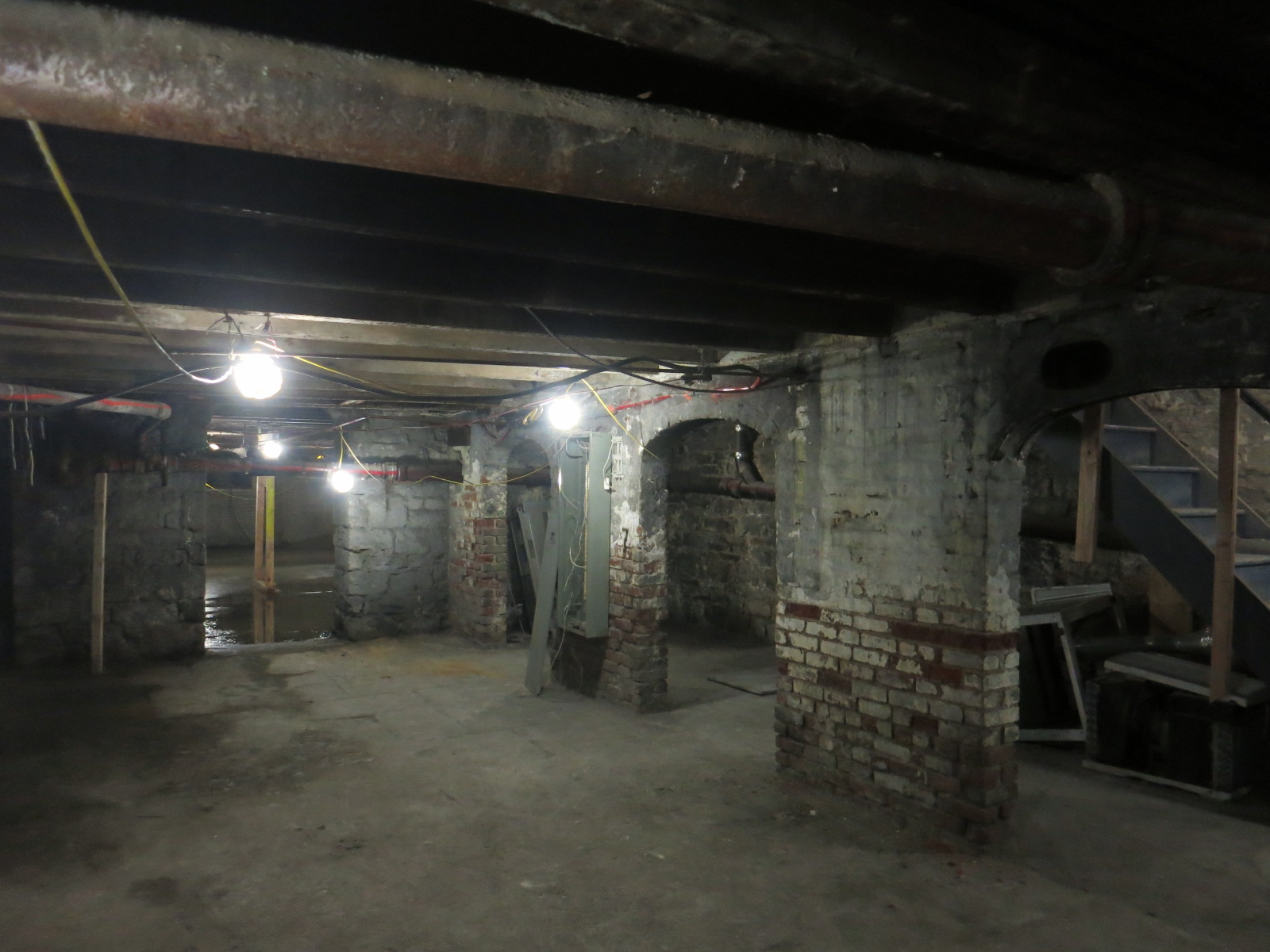
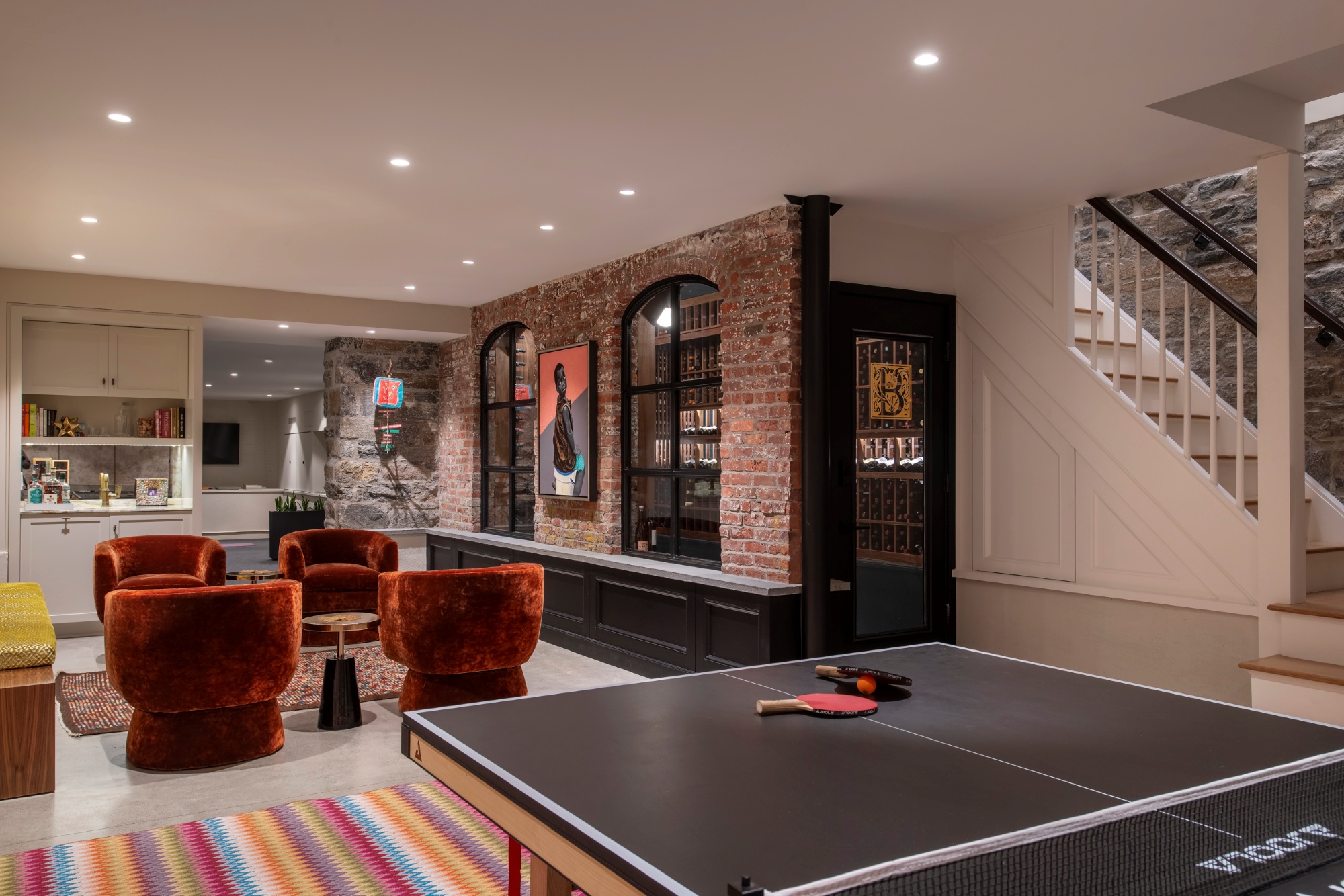
In this Brooklyn Heights Townhouse, the cellar was envisioned as a hot spot for entertainment for the entire family. The space contains an entertainment zone with a ping pong table and seating area, wine cellar, and gym at the rear.
We aimed to maximize every bit of space in the cellar, working closely with SMR Craftworks and Rinehardt | Miller Interiors. Lush furnishings, bright colors, and artwork by Otis K. K. Quaicoe ensure that the space feels vibrant and full of life despite being below ground.
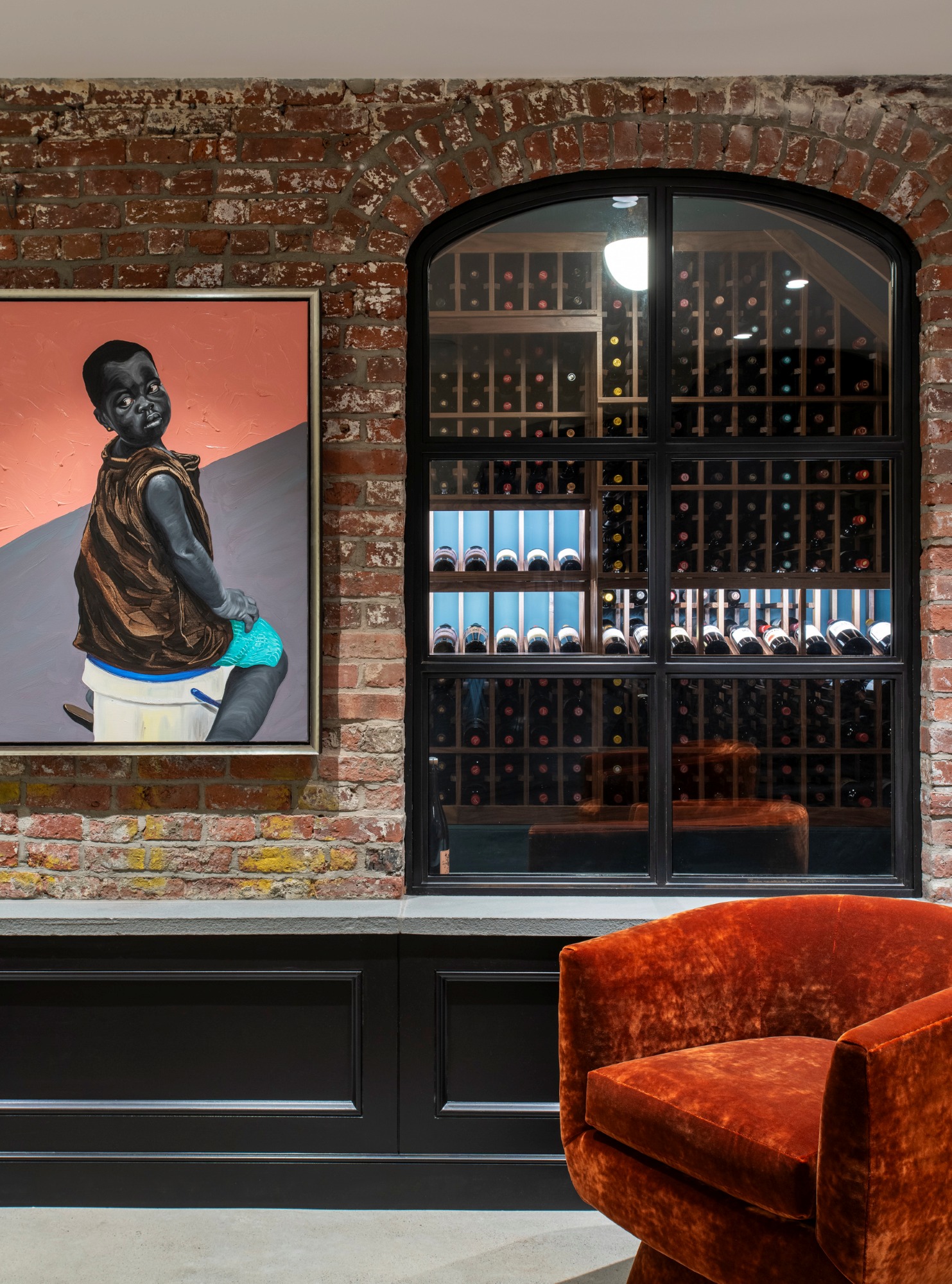
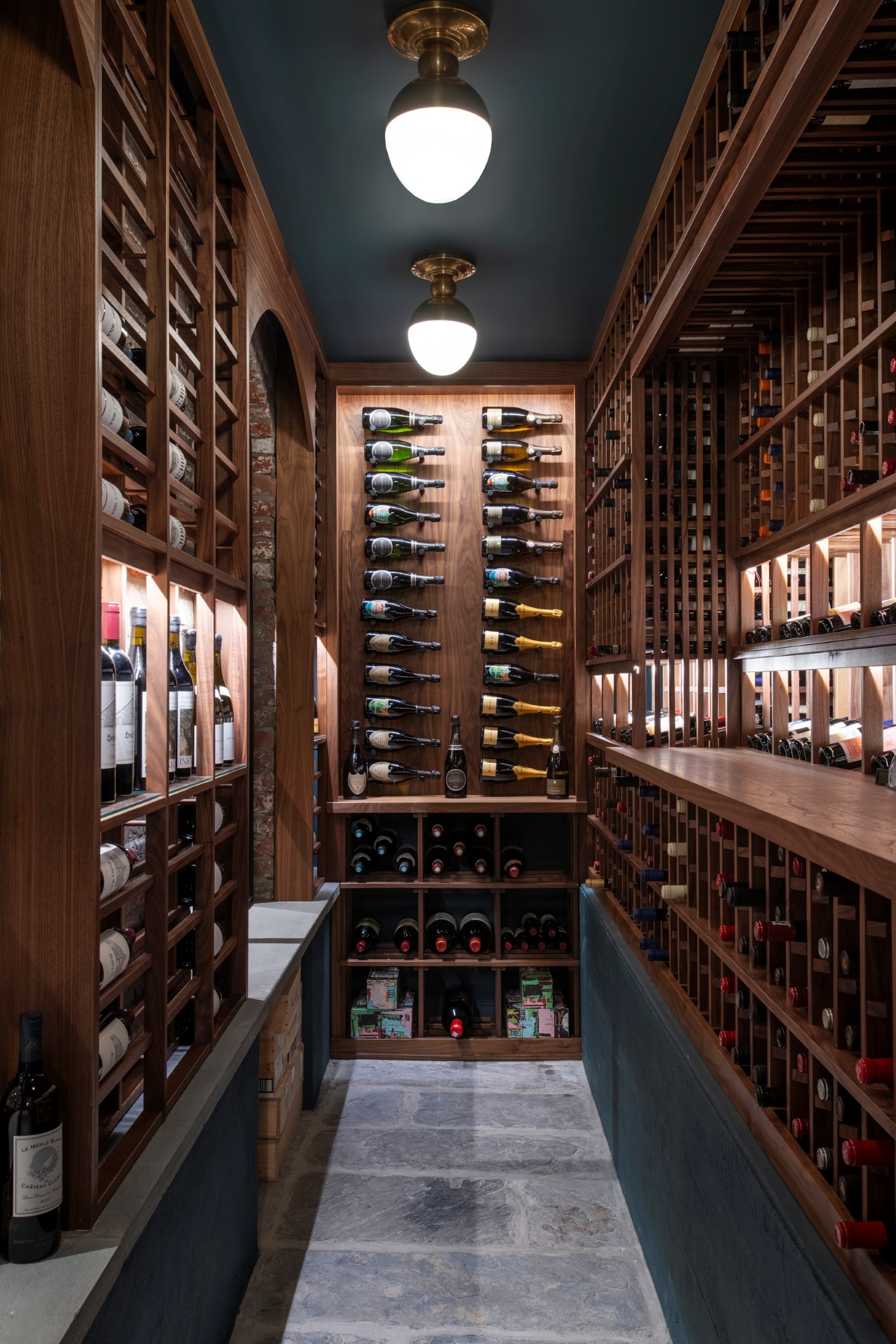
We repointed the original brick archways and left the original stone walls exposed, allowing the home's history to be showcased as the wine cellar walls and along the cellar staircase. Exposing the brick, arched bearing wall and stone foundation not only creates a beautiful finish, highlighting the historic construction, but creates a durable finish that will last for generations.
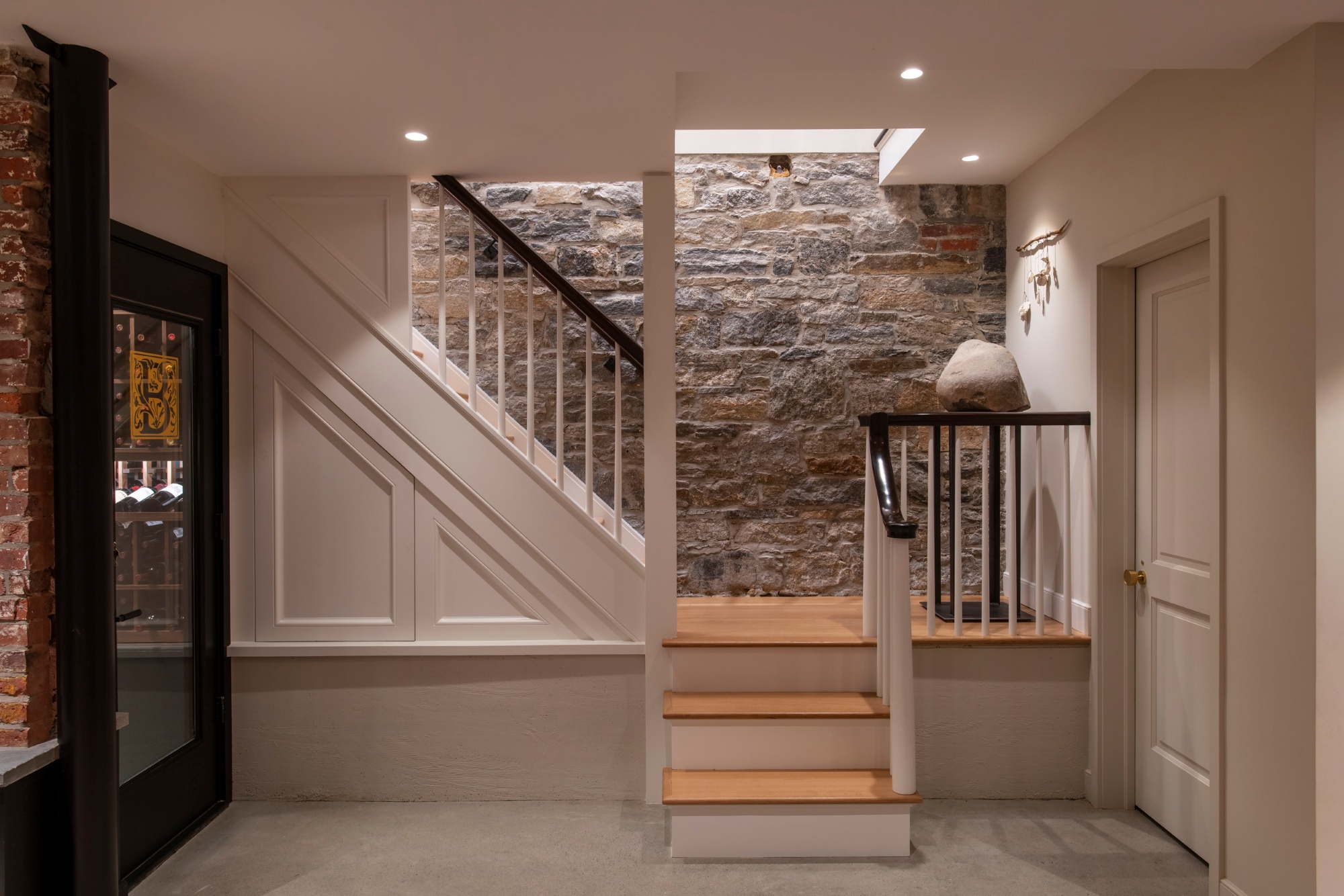
The cellar's potential was unlocked by excavating roughly two feet. To do this, we underpinned and repointed the brick archways and created a bench footing below the original stone foundation walls. Bench footings are ledges created around the outside walls of the cellar, leaving the original footing intact. Benches provide a number of design opportunities; in this case, the bench was used as a landing off the staircase, a storage opportunity, and an integral feature of the wine cellar.
Cobble Hill Family Room
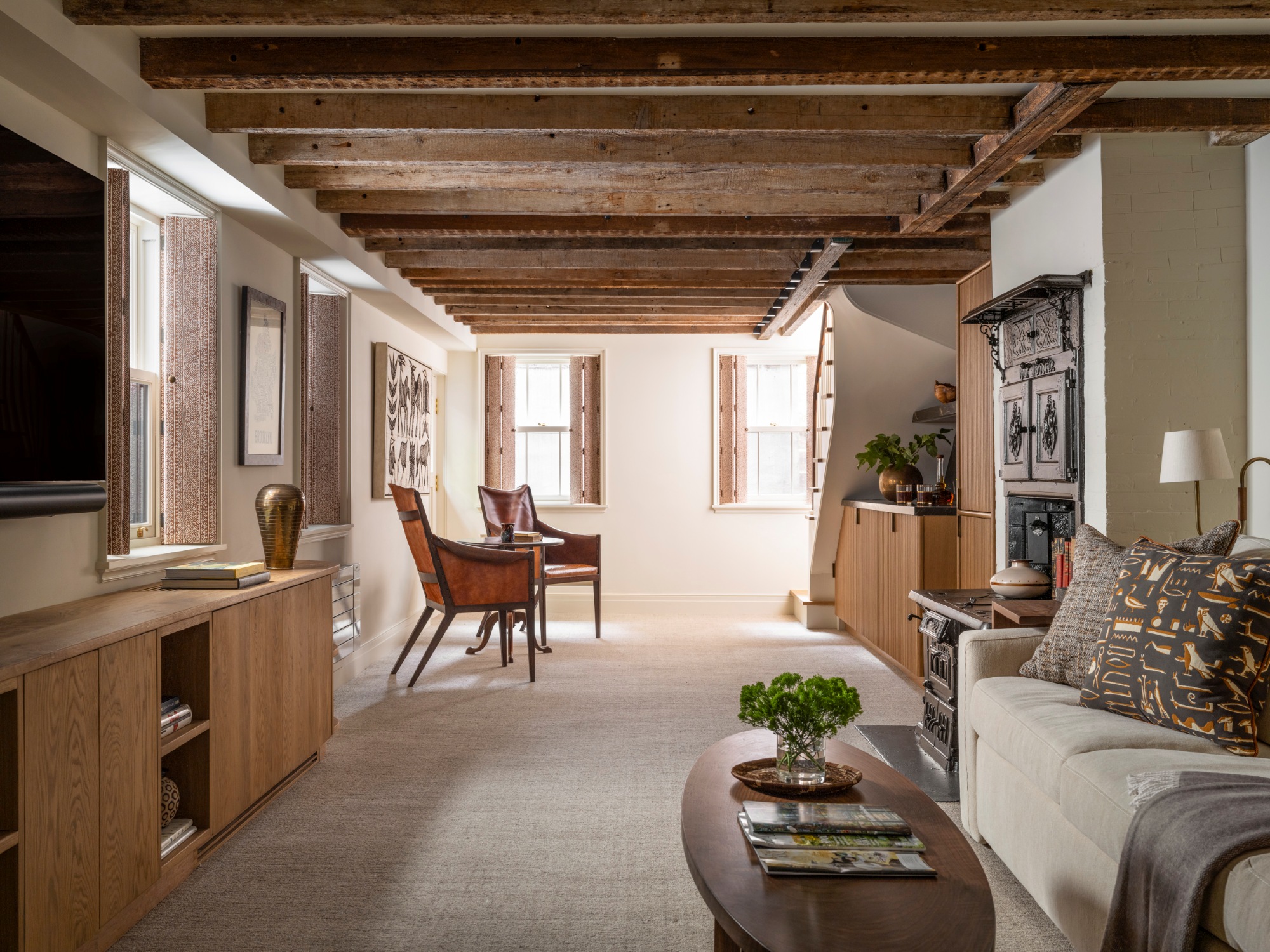
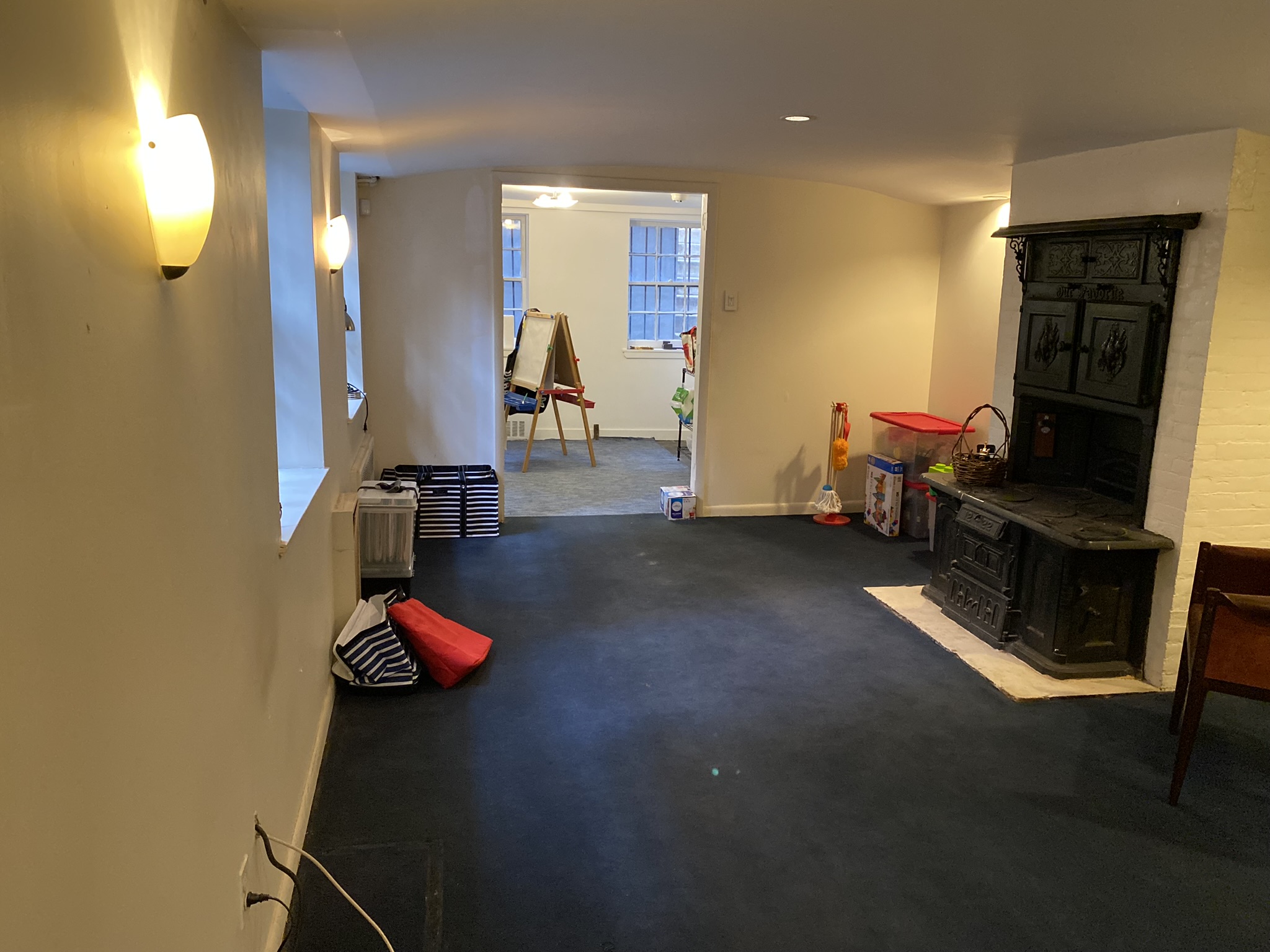
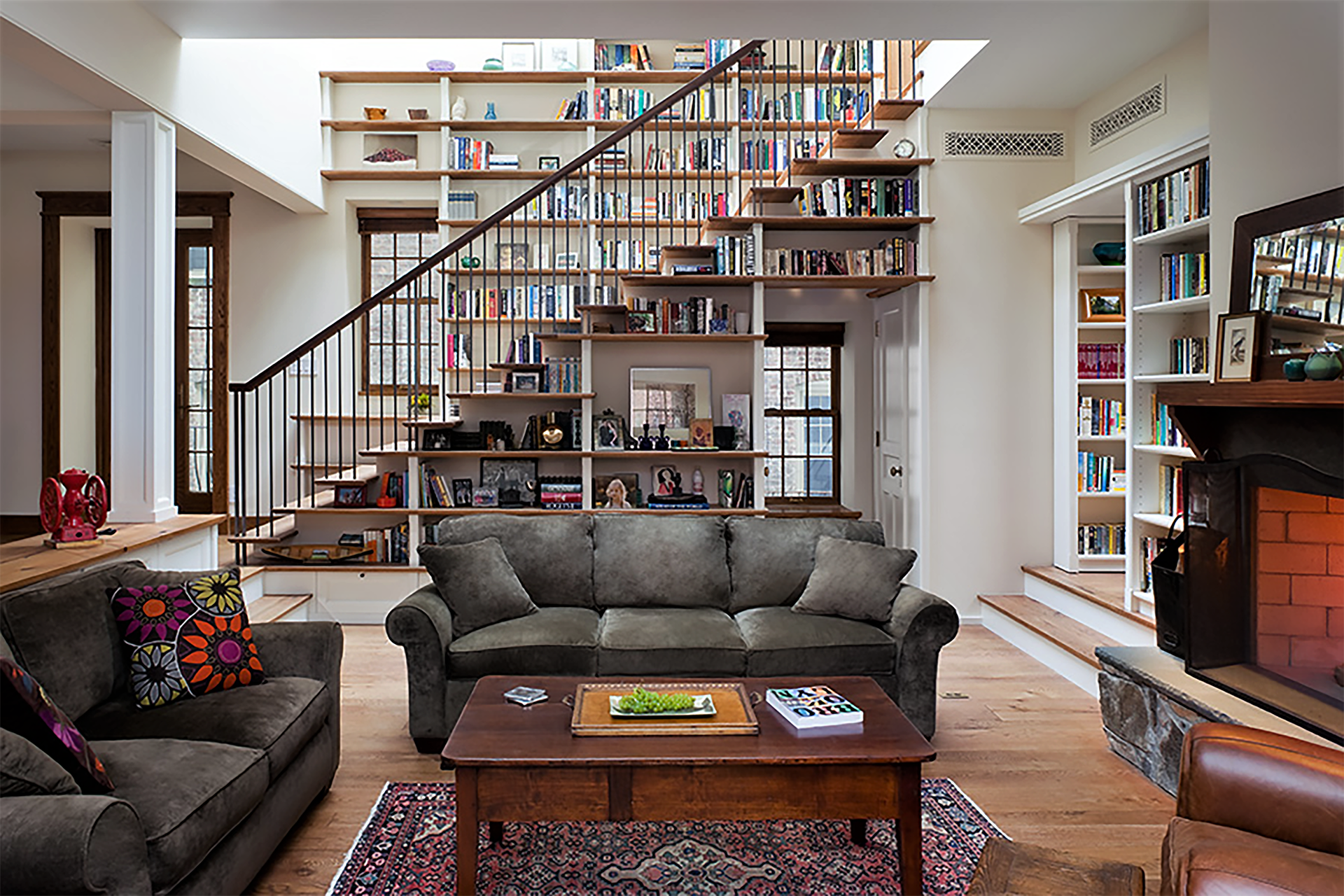
In this Cobble Hill Queen Anne townhouse, removing unnecessary walls, consolidating mechanical equipment, and exposing the existing joists provided the opportunity to create an inviting family room for three generations to enjoy. Once considered a dark and scary cellar floor by the young grandchildren, who would rarely spend time there alone, the existing space did not take advantage of the three exterior exposures that cellars rarely have. Our goals were maximizing natural light and creating a more open layout with different zones that flowed seamlessly into one another. Exposed beams and carpet unite the zones, creating an environment that is both cozy and practical. We worked closely with Charleston-based Cameron Stewart Design & Historic Preservation to select finishes that were durable, warm, and elevated and Taffera Fine Building & Finishes on implementation.
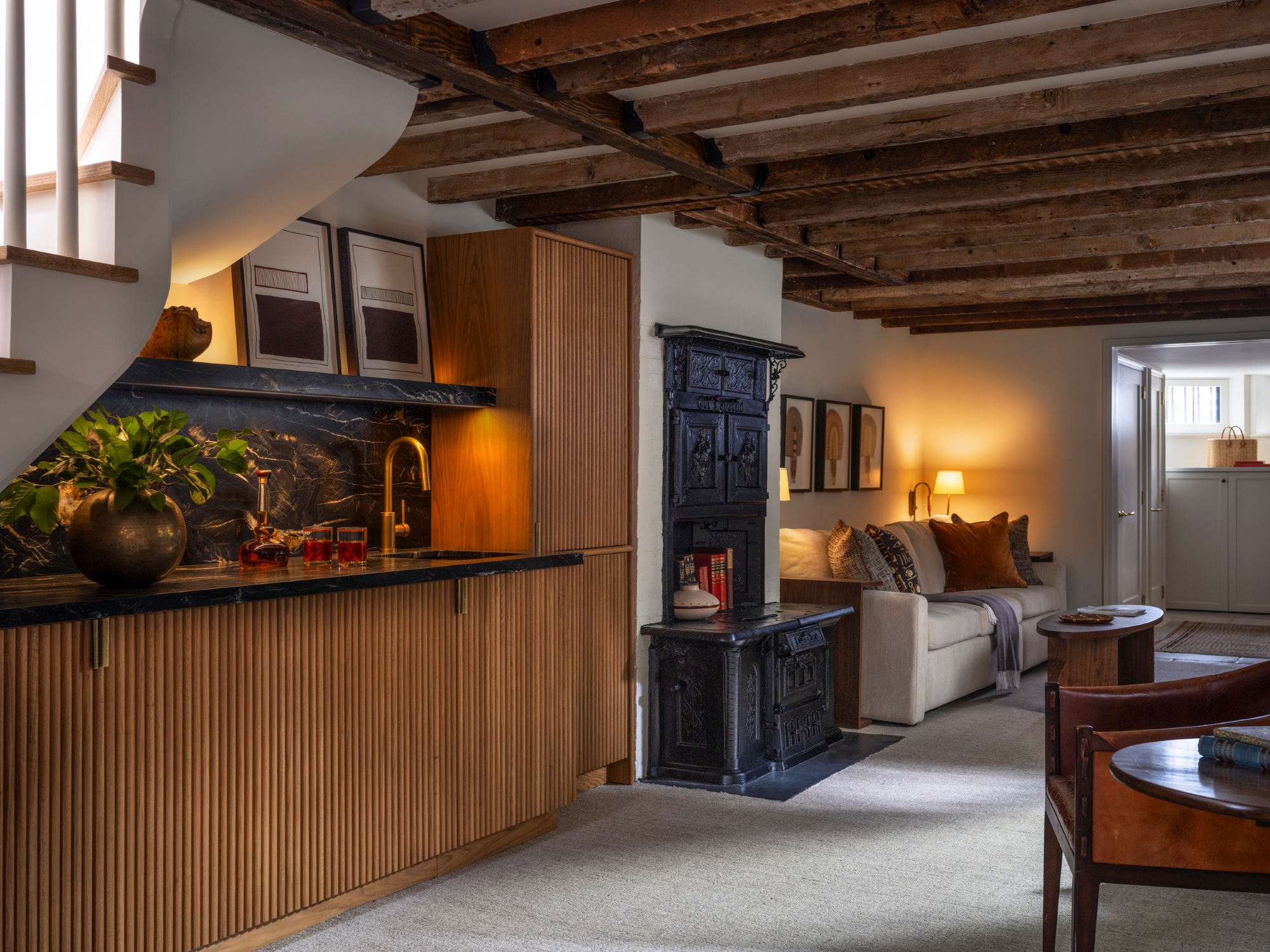
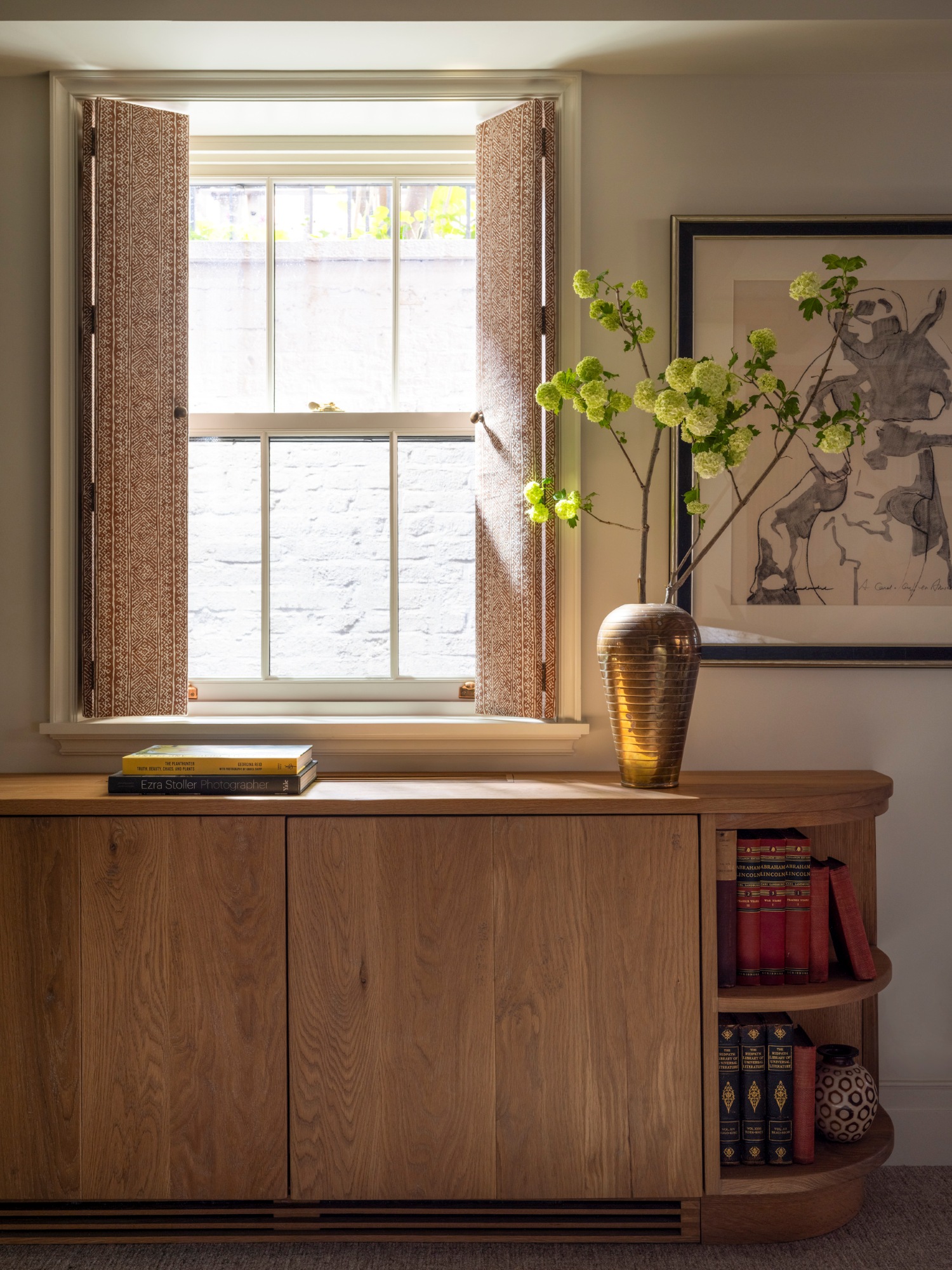
At the center of the floor, we wanted to keep the original 1888 Richard & Boynton stove in place, as a nod to the home's history and to use it as a decorative element to anchor the living room on one side and play space on the other. A cozy living area with custom cabinetry, which in part conceals the HVAC, provides the perfect spot for family members of all ages to relax. This HVAC and millwork solution is a great example of how modern mechanical systems that help eliminate ductwork and other elements can make large open spaces possible.
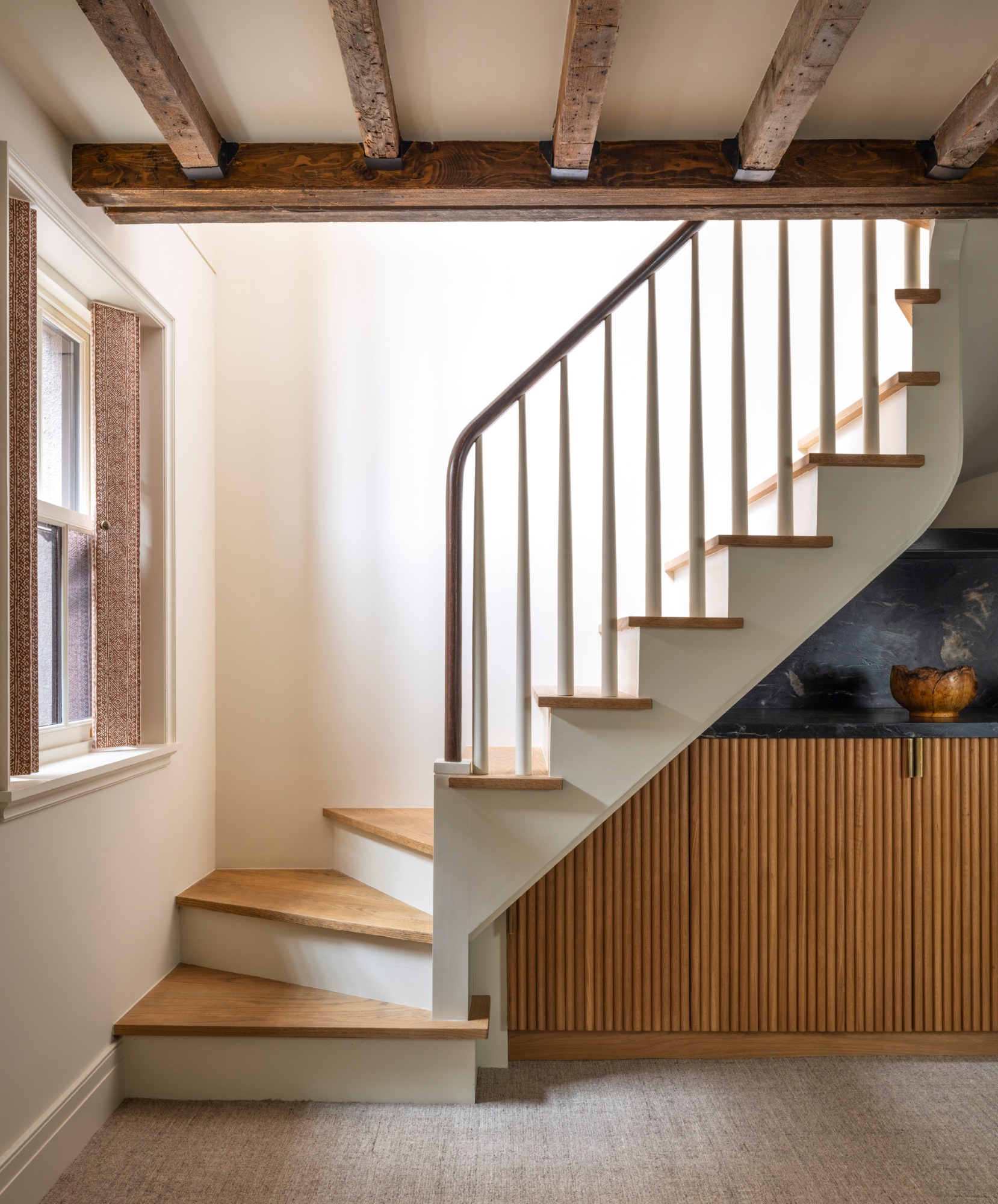
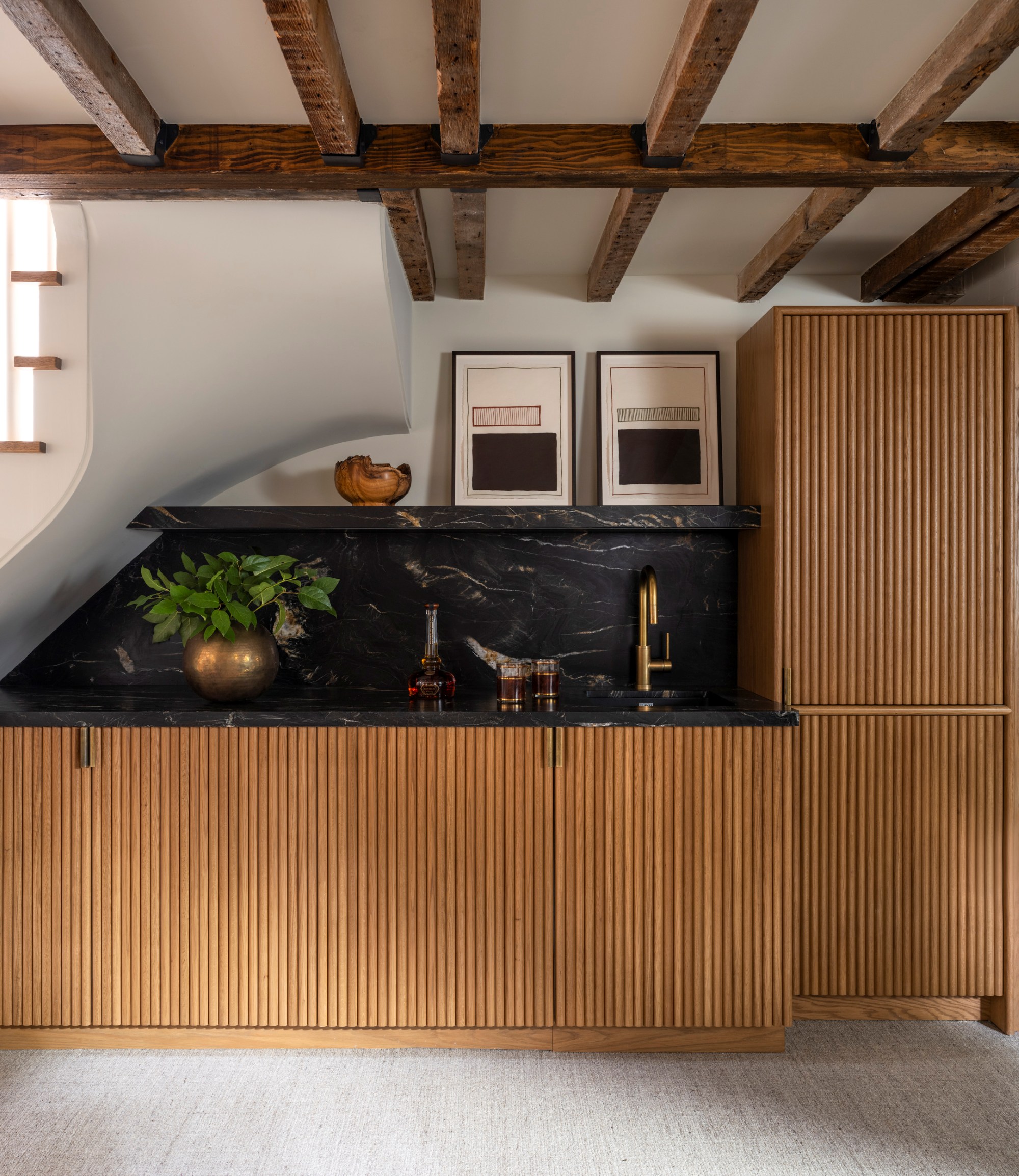
Sometime a simple decision, like reorienting a staircase, unlocks opportunities on multiple floors. In this case, it not only allowed for better circulation on the upper to create a more comfortable staircase and gracious entry into the cellar space, but it also created the perfect location for custom fluted wood cabinetry and leathered quartzite countertop and backsplash to house a wet bar and storage for the grandchildren's toys.
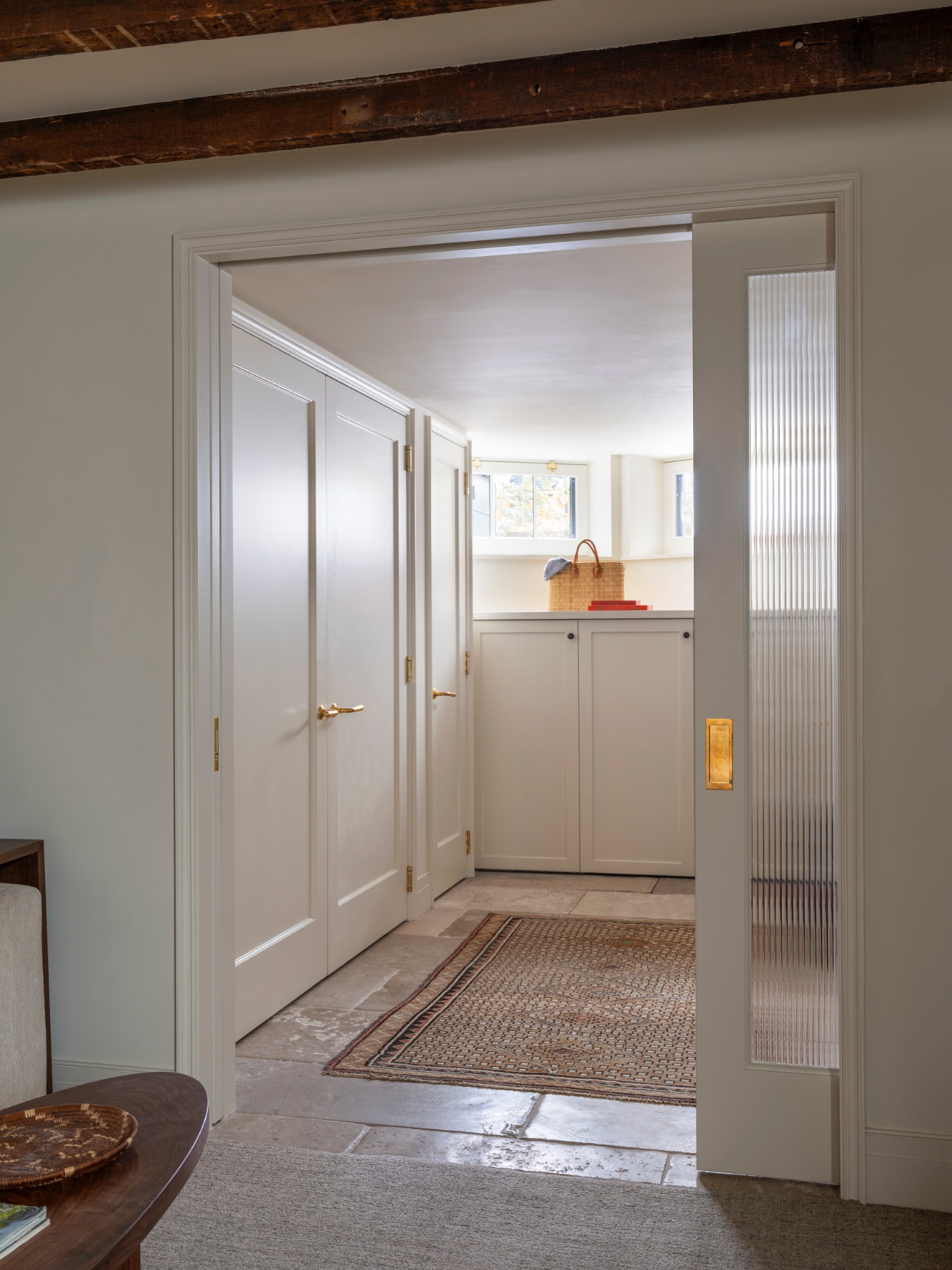
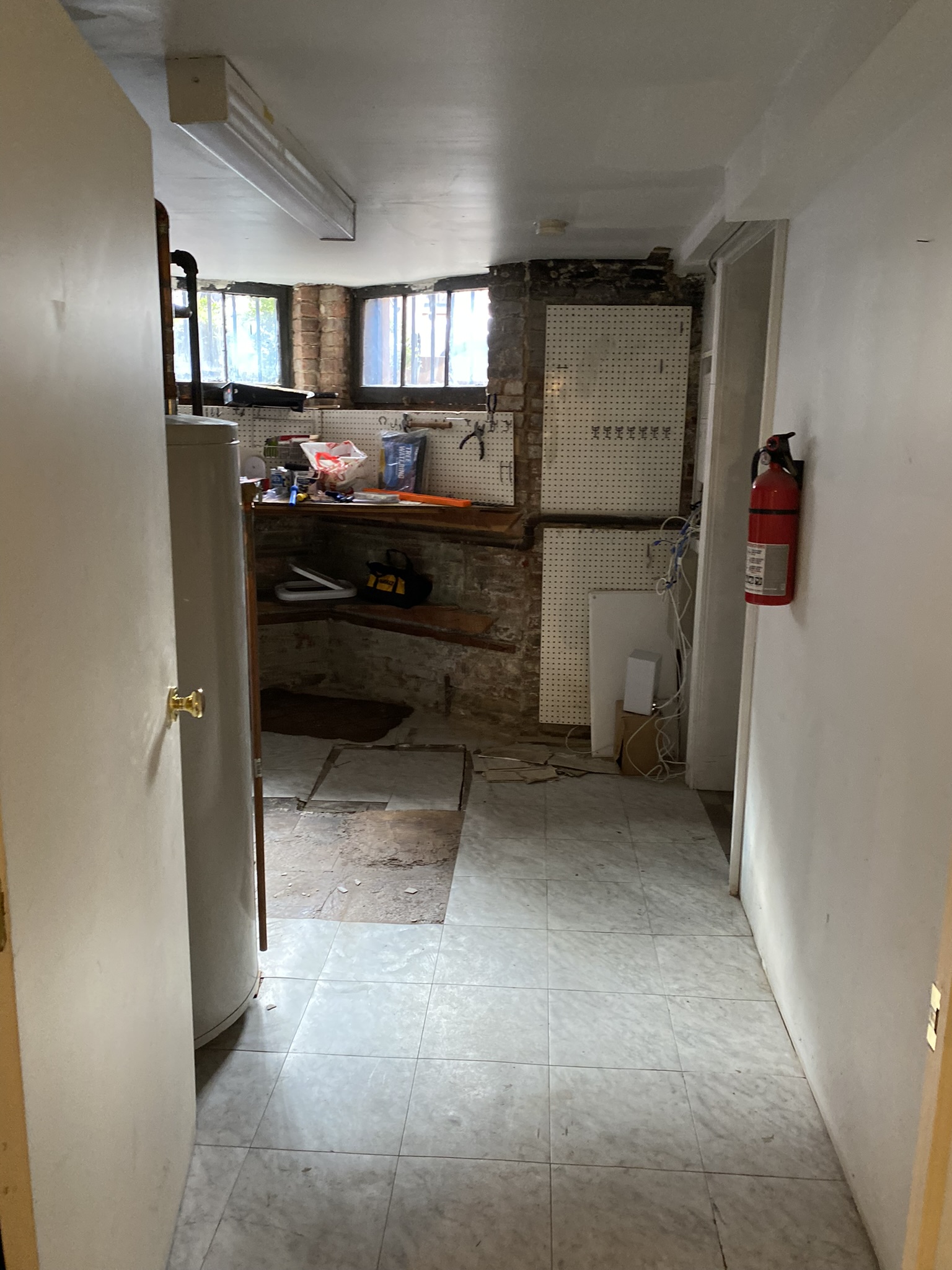
Light is precious on cellar floors, which are mostly below the exterior grade, and having spaces where you can see light throughout, from front to back, greatly impacts how you enjoy a space. When we started the project, the mechanical room at the front of the cellar floor was unfinished, disorganized, and far from an inviting entryway. By upgrading the systems and reorganizing the space, we were able to hide mechanical equipment in closets and behind custom millwork. In doing so, we were able to create a combined mudroom and mechanical room. A new pocket door with fluted glass allows the entry to be fully closed off from the entertainment spaces while pulling light into the center of the space.
Brooklyn "Speakeasy"
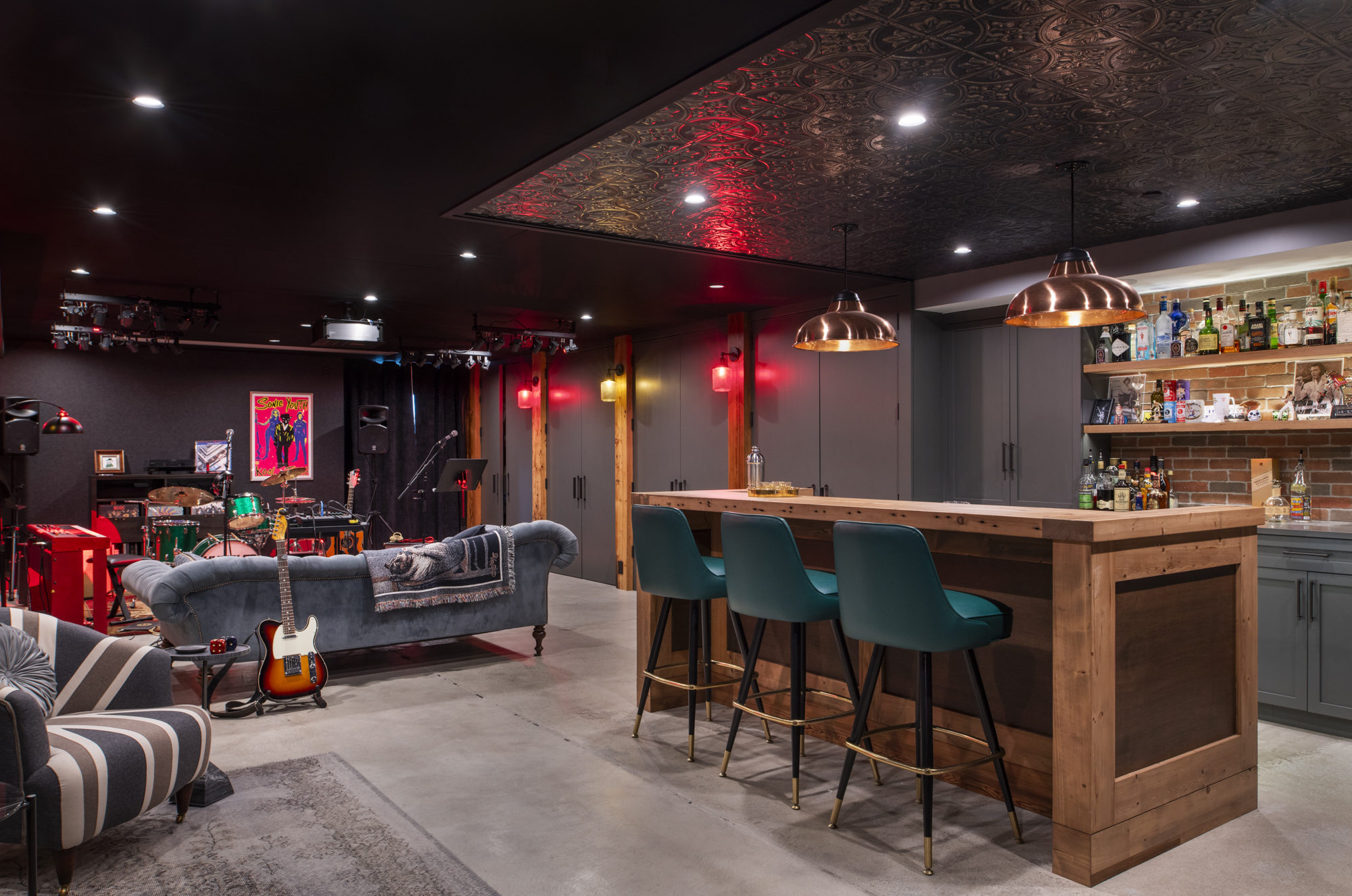
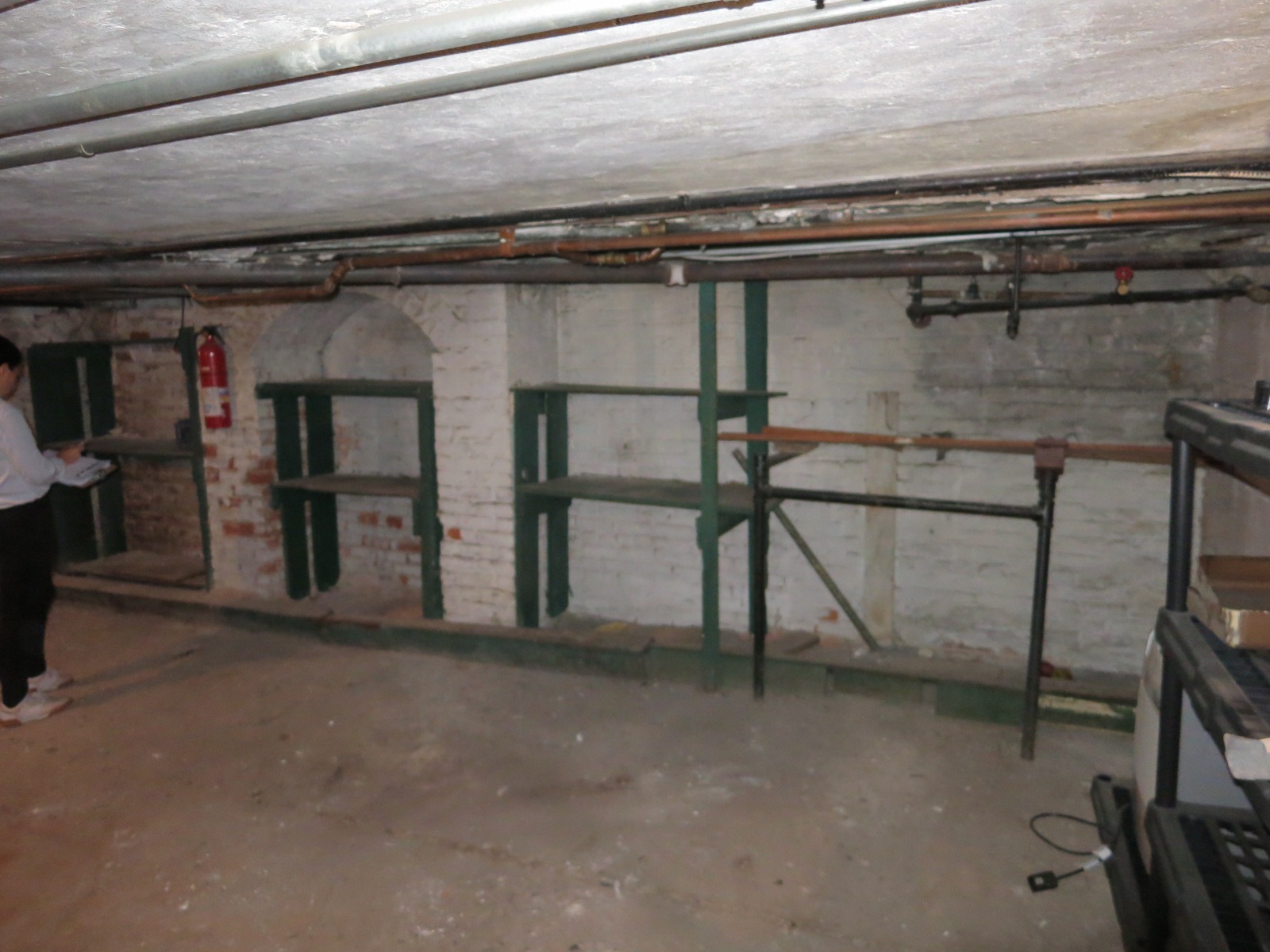
Cellar spaces can provide a true oasis that feels completely separate from the rest of the home. In this Cobble Hill Passive House, our clients, a family of music lovers, wanted to dream big in the space. Alongside BIA Interiors, we designed a "speakeasy" in the basement, inspired by several local watering holes with live music.
This was a fun part of the project, but also technically challenging, requiring close collaboration with the contractor, __. Not visible behind the doors, cabinetry, and acoustic finishes, a deep bench footing allowed us to keep the original footing of the house intact. We also made the decision to polish the exposed slab, allowing it to double as flooring. Many of the elements, including shelving and the bar's island, with existing joists removed from elsewhere in the house.
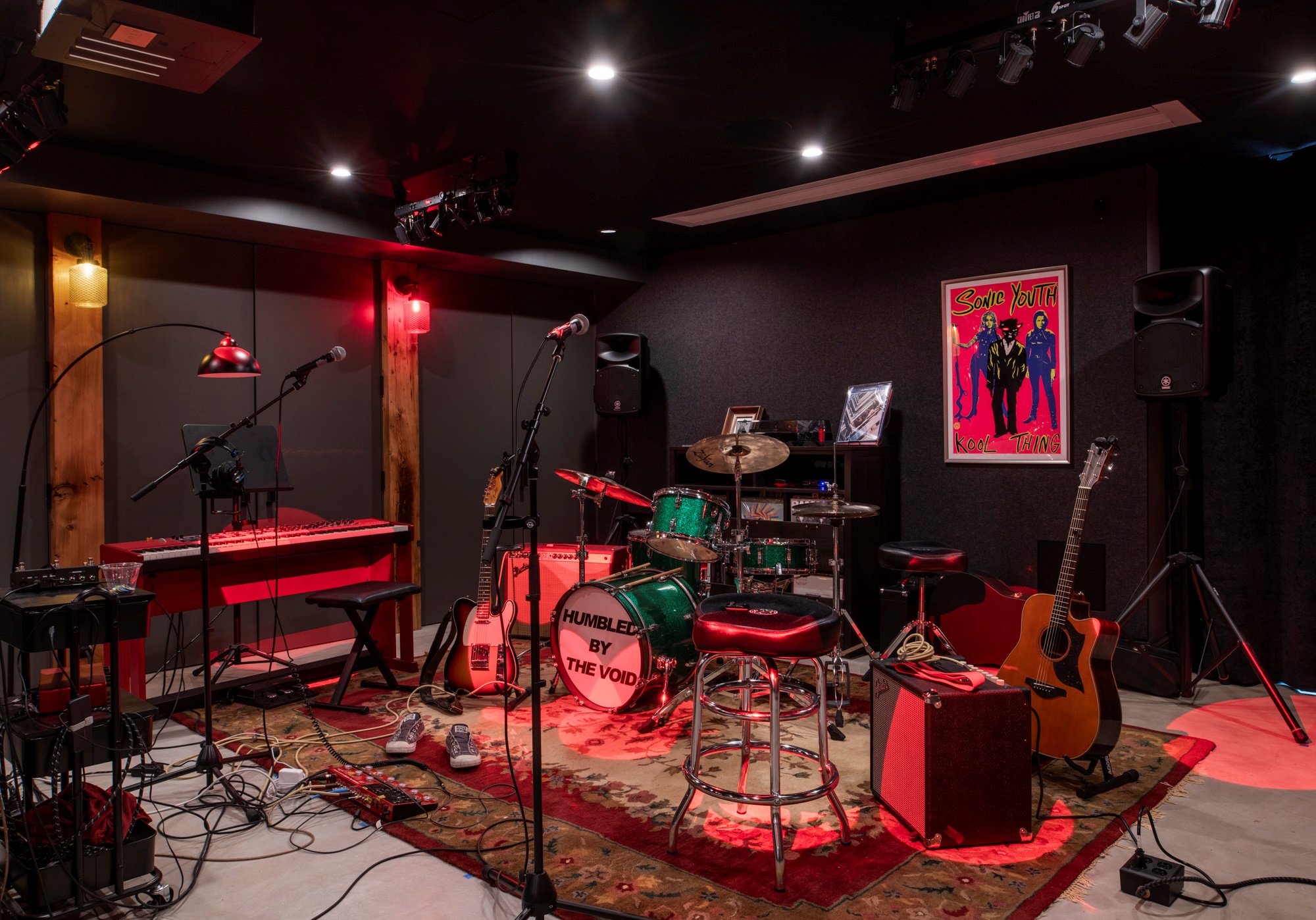
At the rear of the floor, a performance space is complete with a sound system and acoustic tiling on the ceiling. These elements ensure that audio quality within the space is high and prevent noise leakage to the rest of the house and the neighbors.
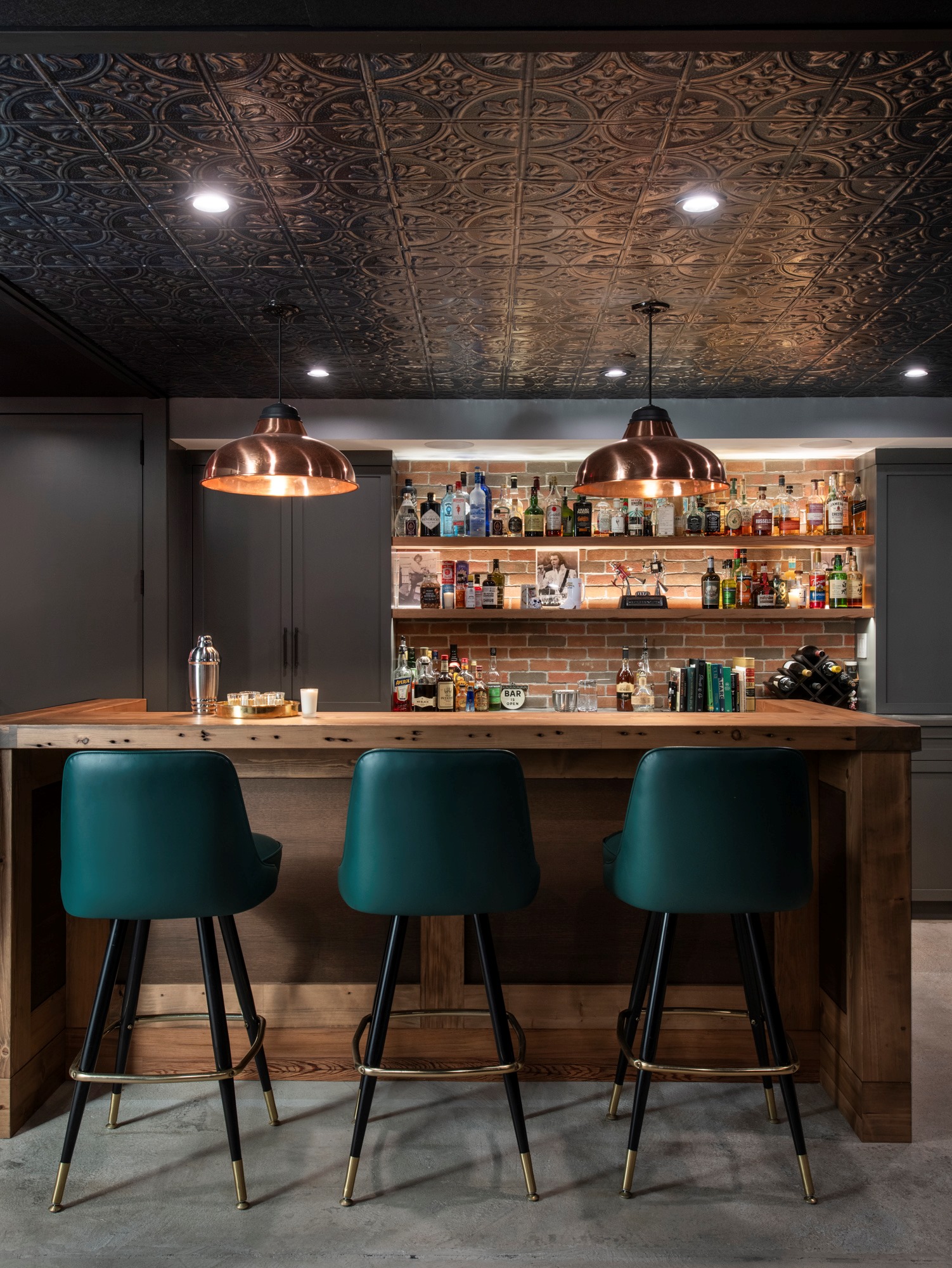
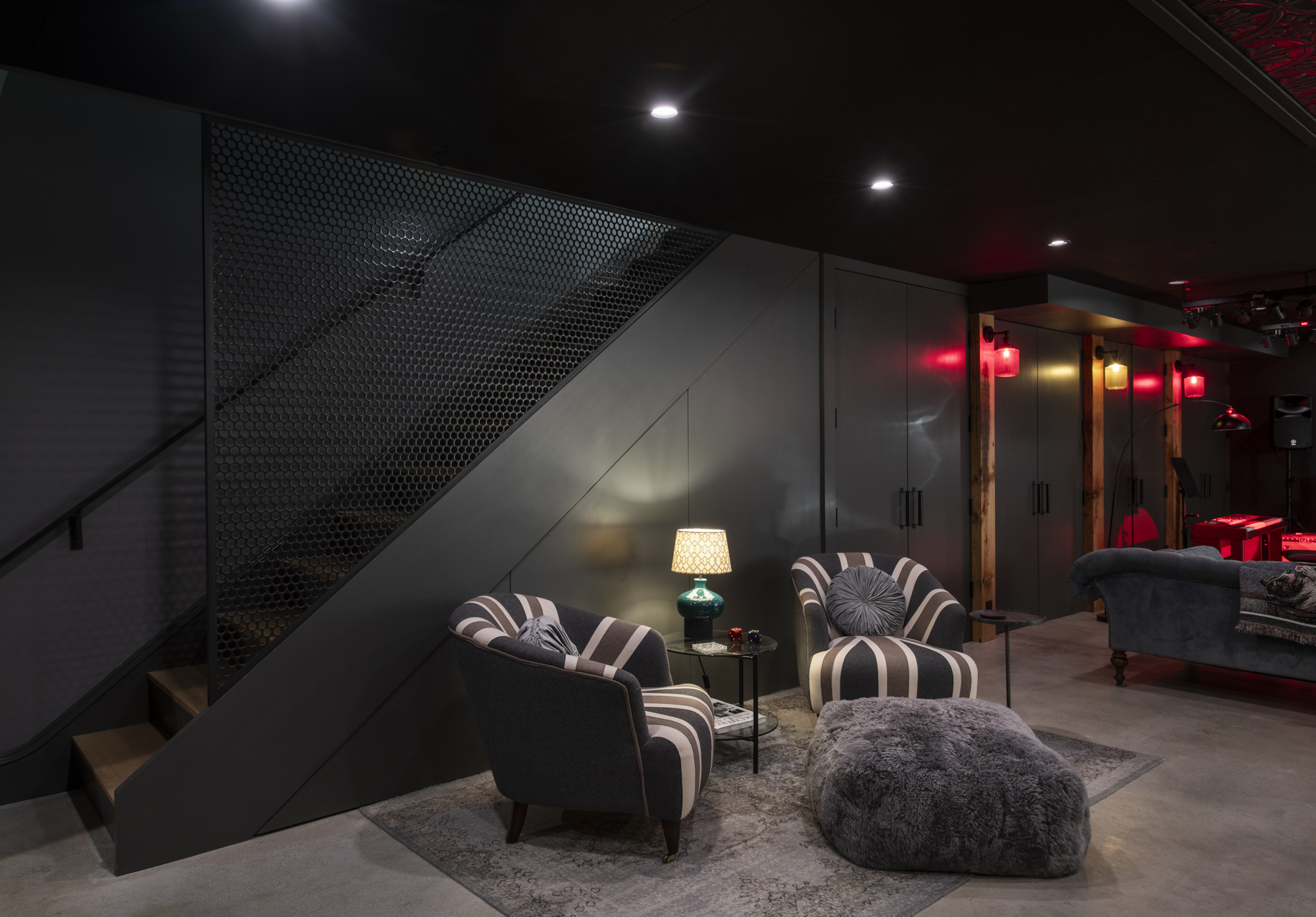
The front of the space houses an elevated bar area. Tin ceiling tiles, wood and brick accents, and a rich, moody color palette mimic the feeling of patronizing a New York City bar. Adjacent to the staircase, a cozy seating area completes the space.
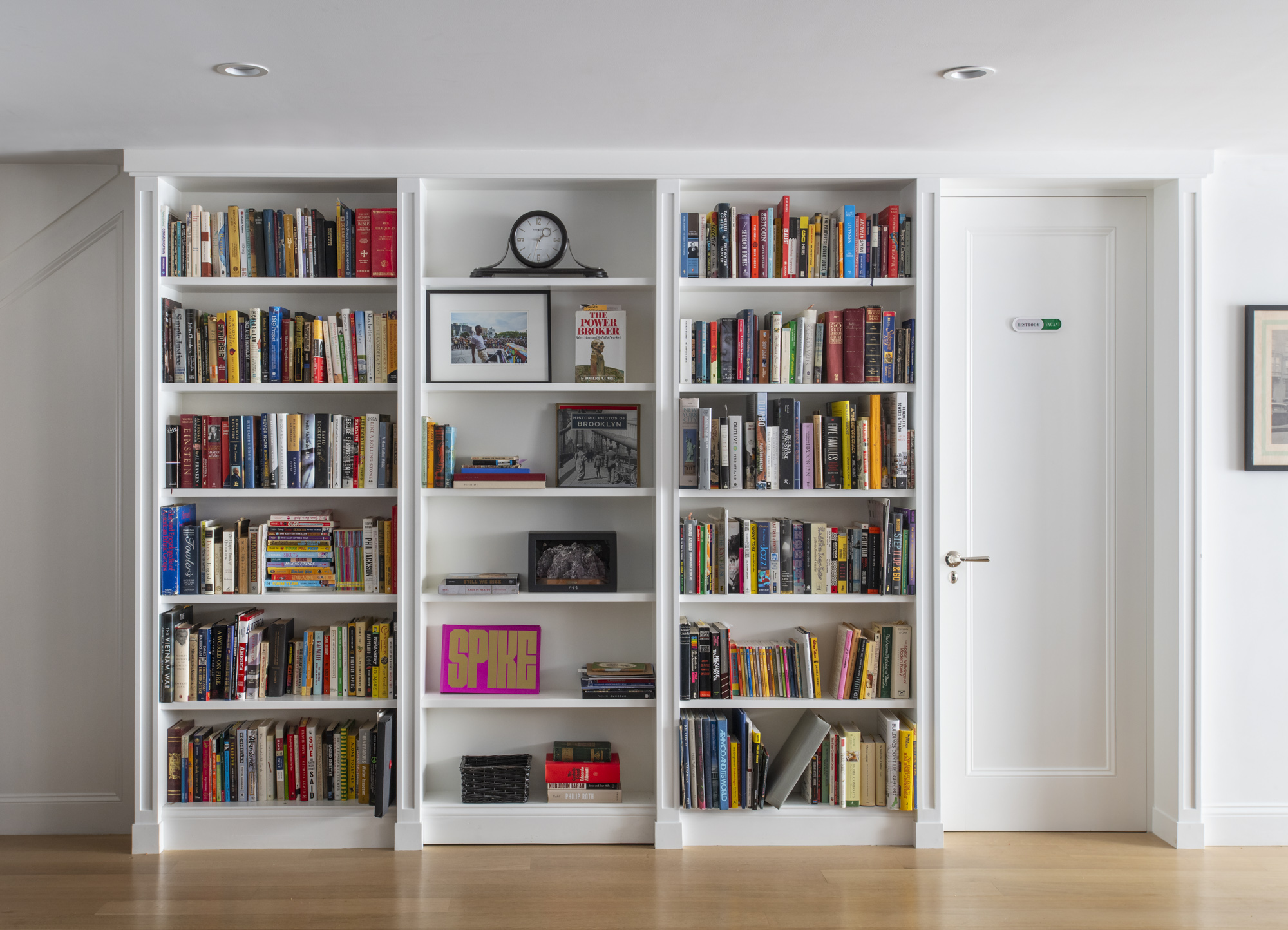
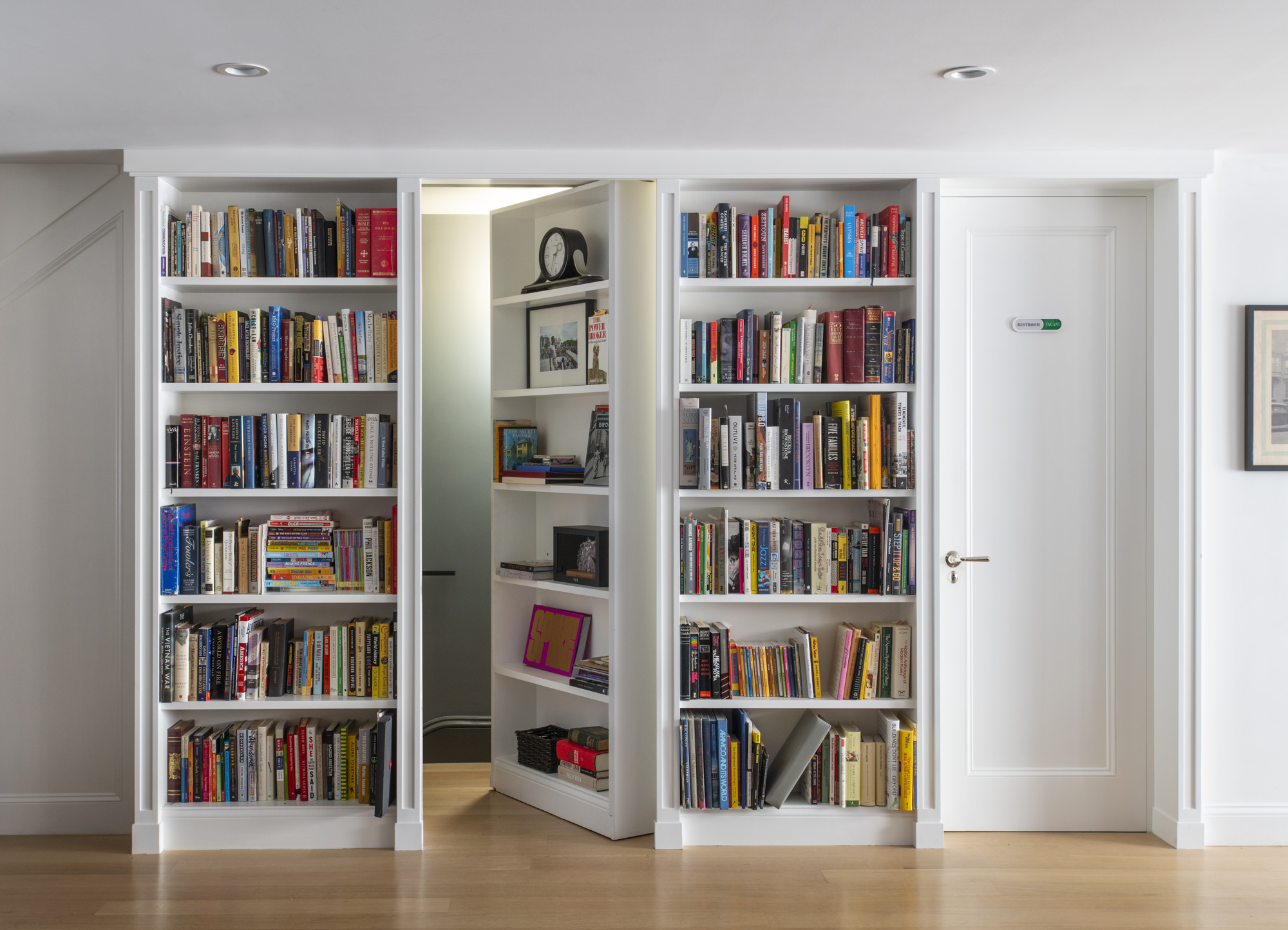
To complete the vision, the doorway leading to the cellar speakeasy is hidden behind a built-in bookshelf, allowing the homeowners and their guests to truly feel that they are entering a new world in the cellar.