Celebrating Earth Week in Essen, Germany
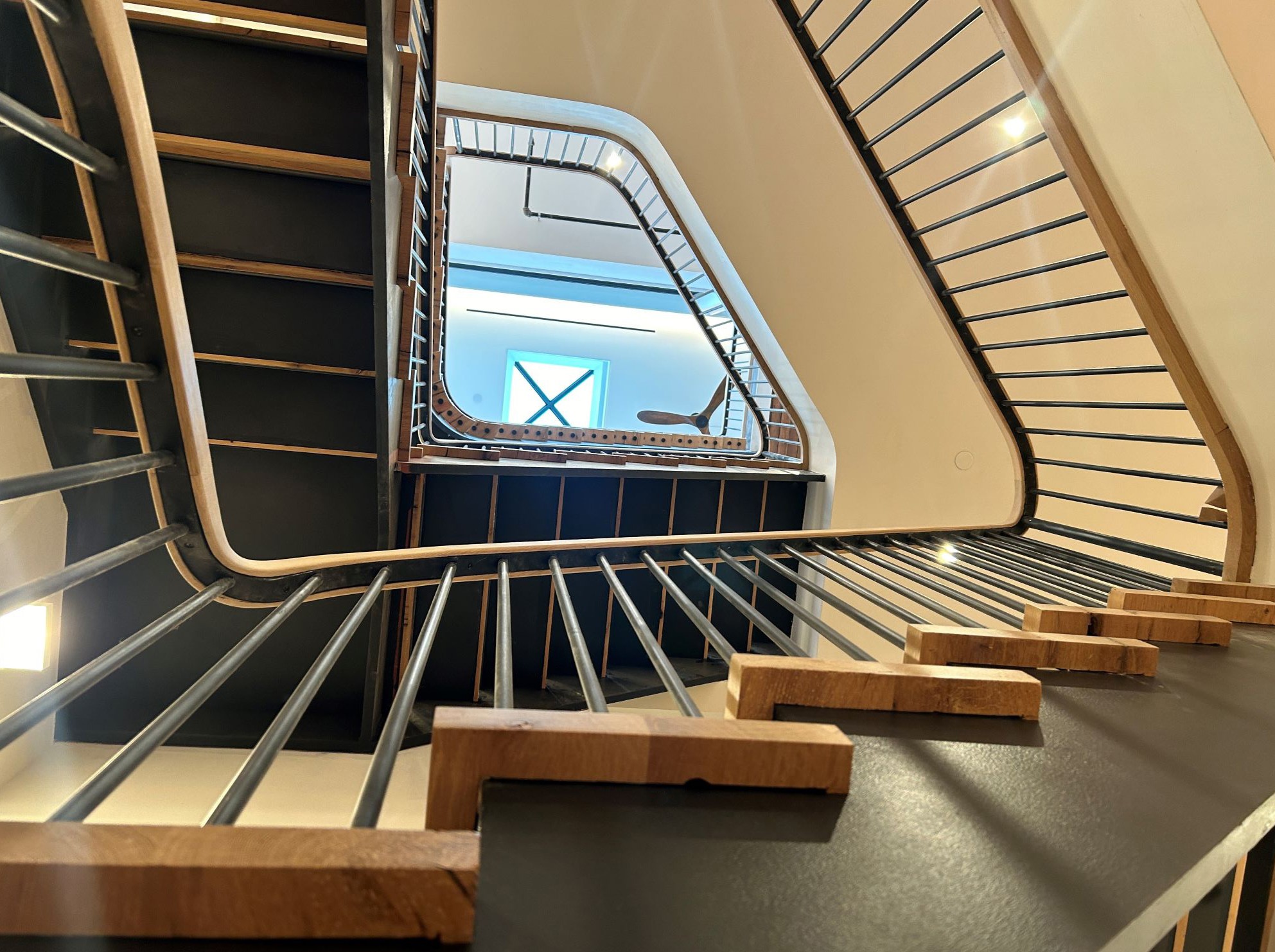
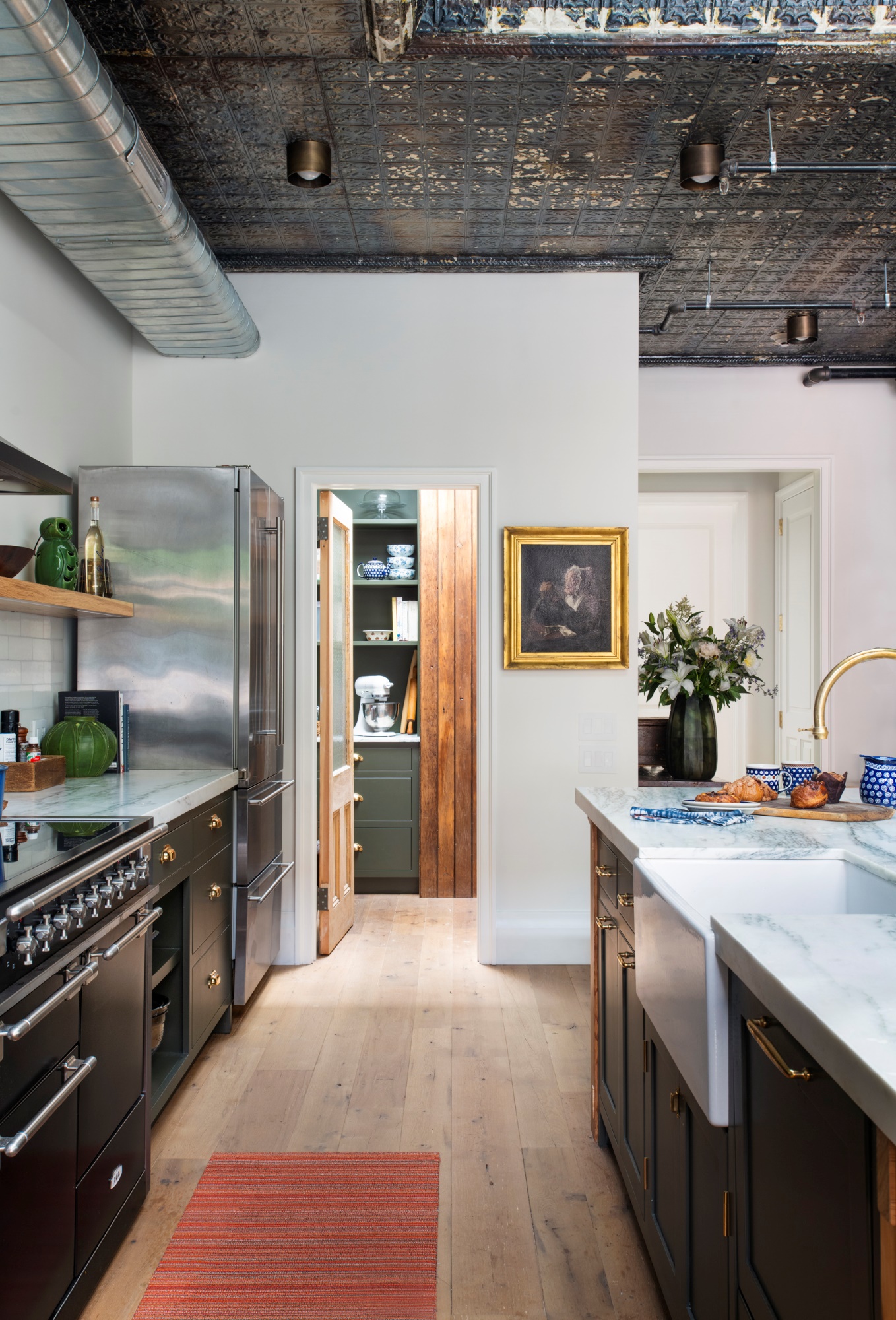
This Earth Day, we want to focus on the solutions that already exist in the built environment. In our practice, implementing Passive House principles into our projects not only reduces their carbon footprint, it also opens up a world of design possibilities. We are often asked how we successfully incorporate large expanses of glass and open spaces in townhouses. In many cases, Passive House principles were instrumental in making these features possible.
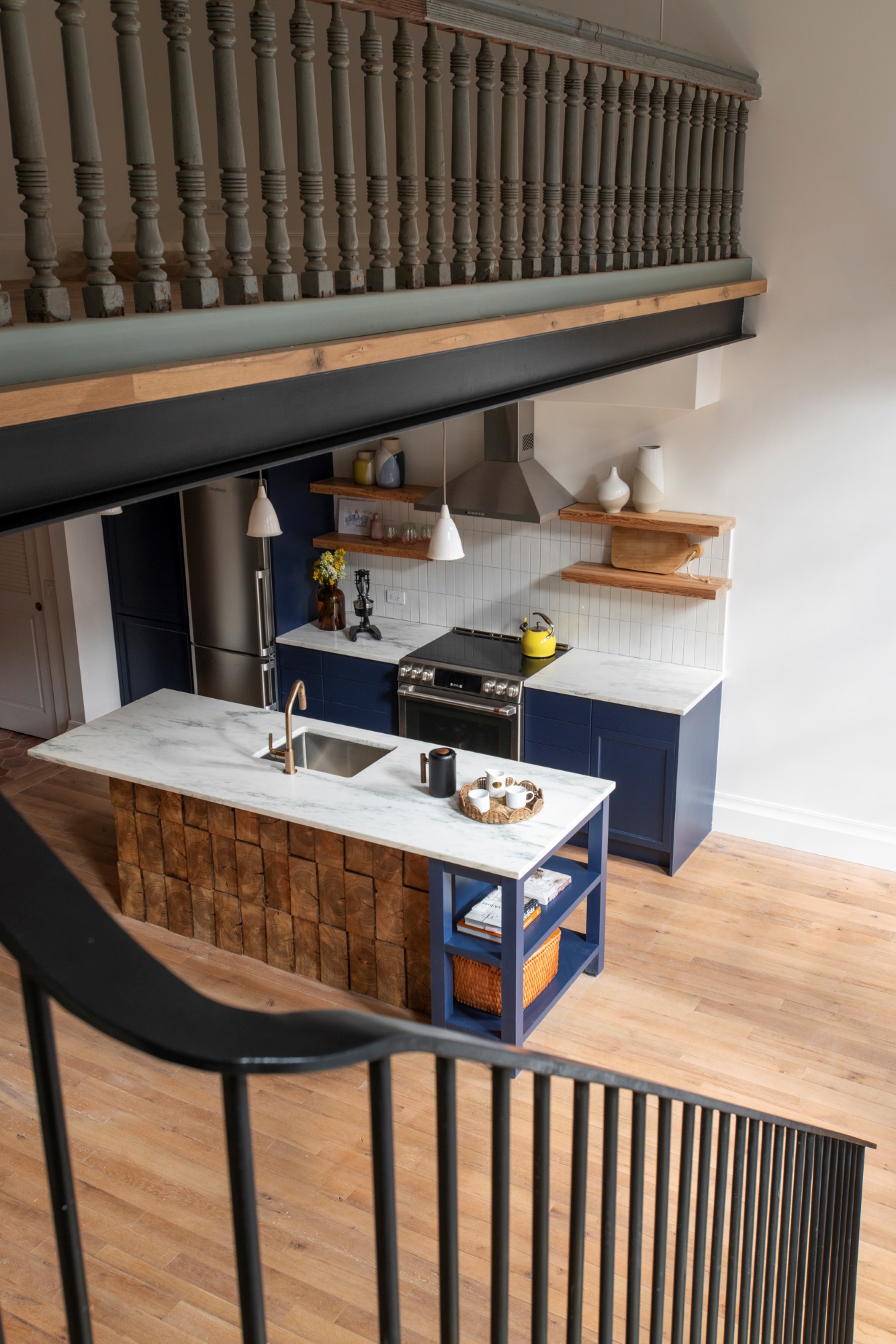
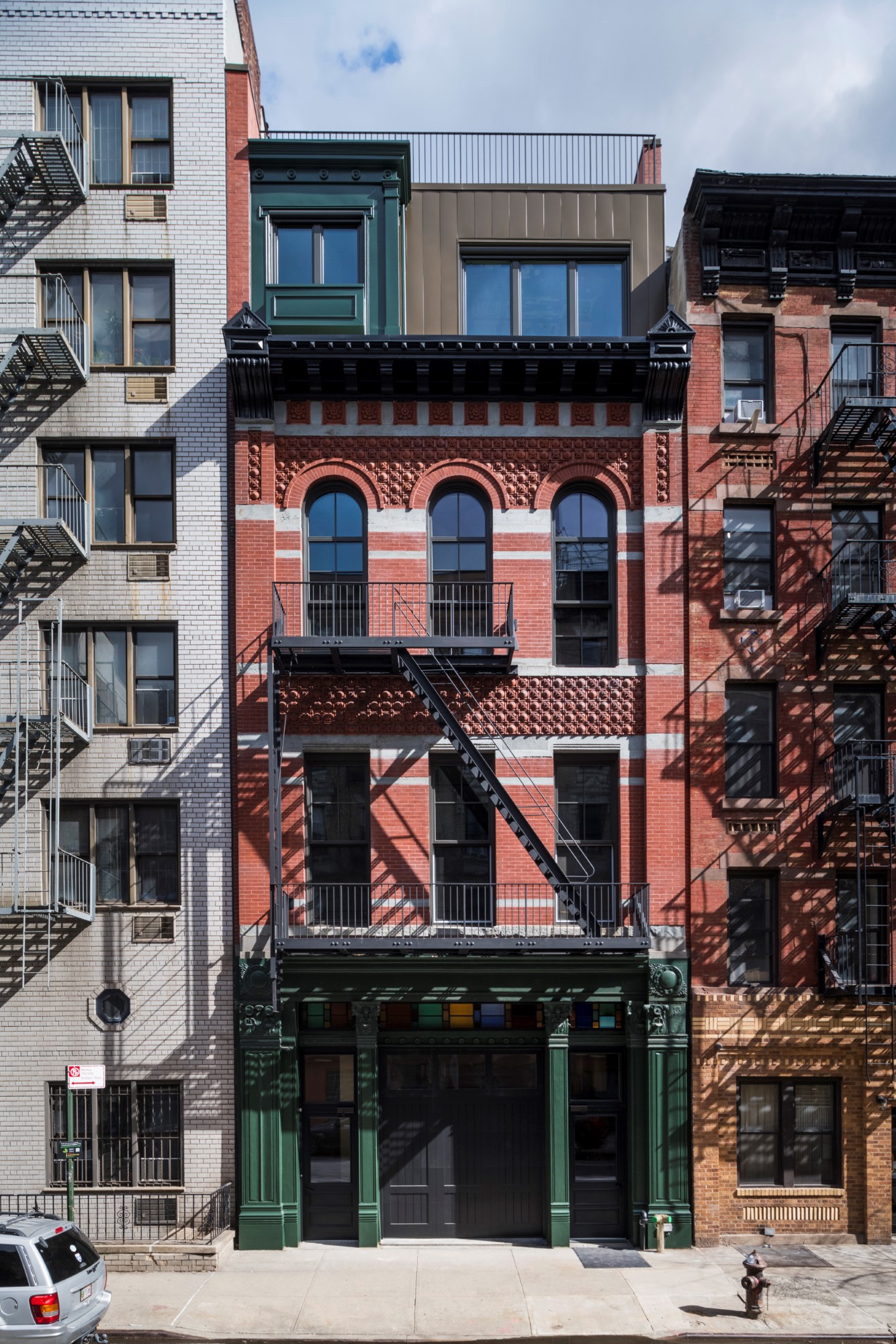
Over the past three decades, the Passive House standard has demonstrated that ultra-low energy buildings can deliver exceptional comfort, resilience, and operational stability across climates and building types. Thousands of certified projects worldwide demonstrate the technical feasibility and long-term performance of Passive Houses.
But Passive House construction isn't just about reducing a building's energy demand. Rather, Passive House removes many of the constraints that come along with traditional construction methods. Over the past decade, Ingui Architecture has refined a design approach to Passive House that allows us to include previously difficult-to-include features, including
Glass walls without perimeter heat
Bedrooms on busy streets that are completely quiet
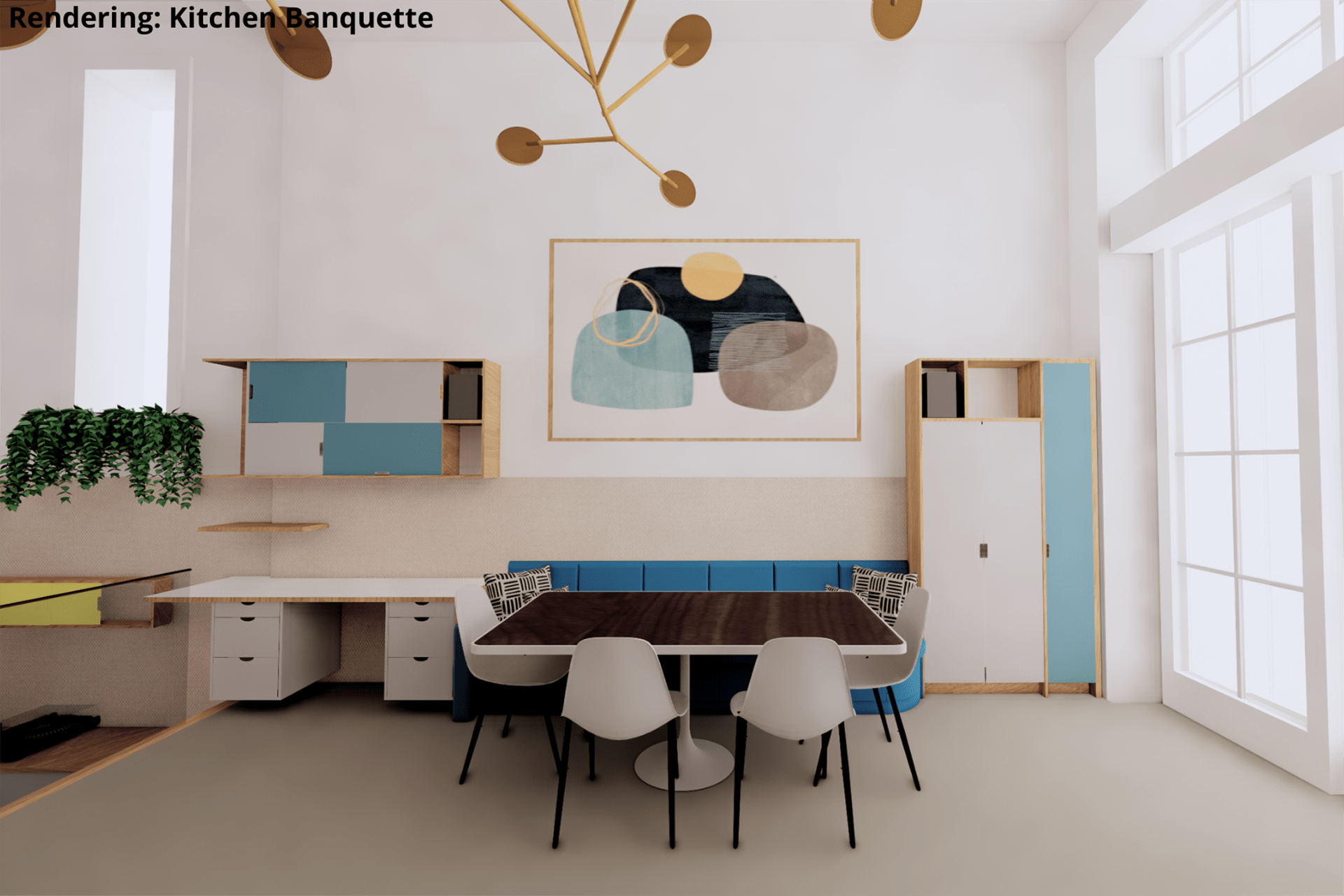
Double- and triple-height spaces that actually feel comfortable
Homes that stay calm, no matter what is happening outside
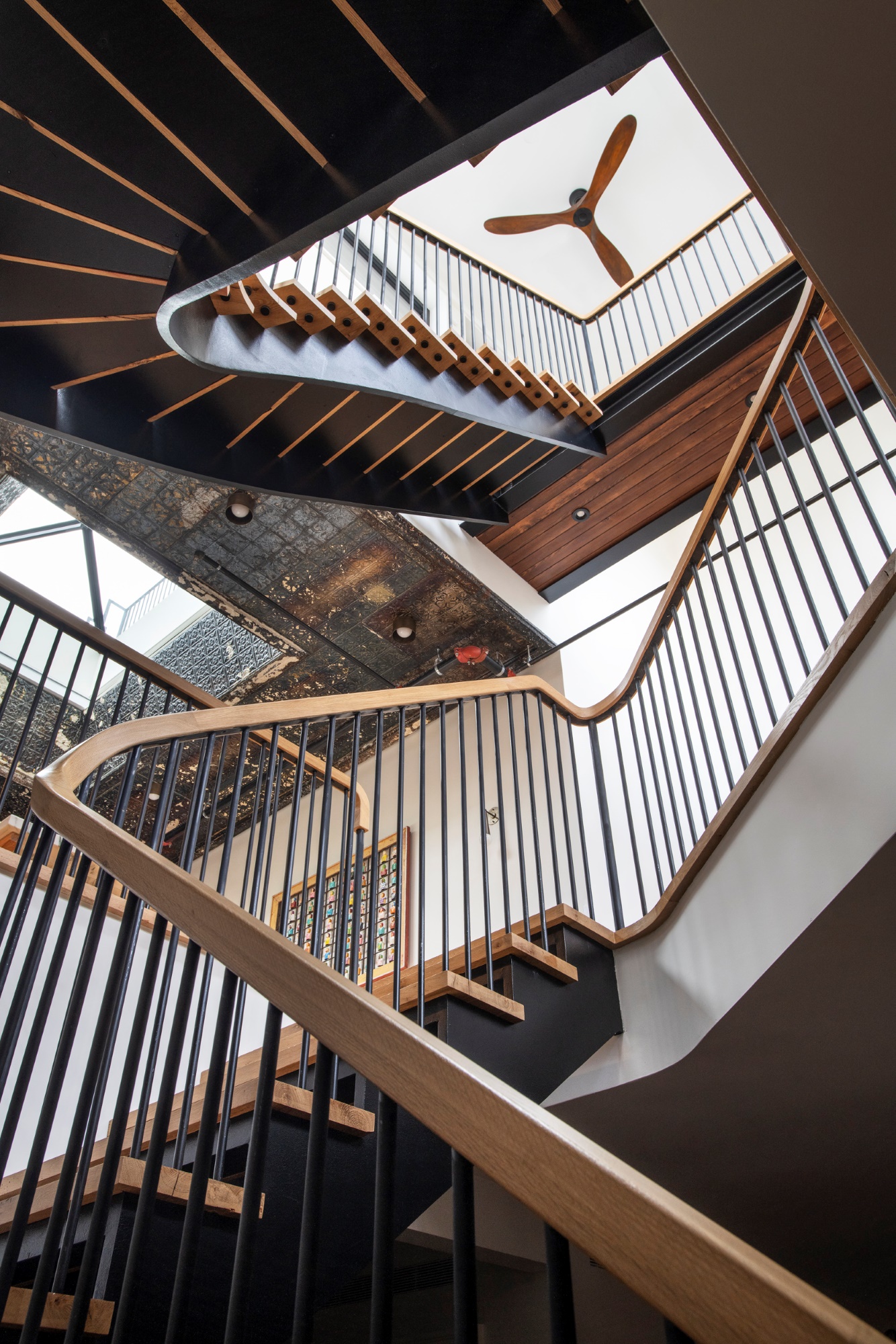
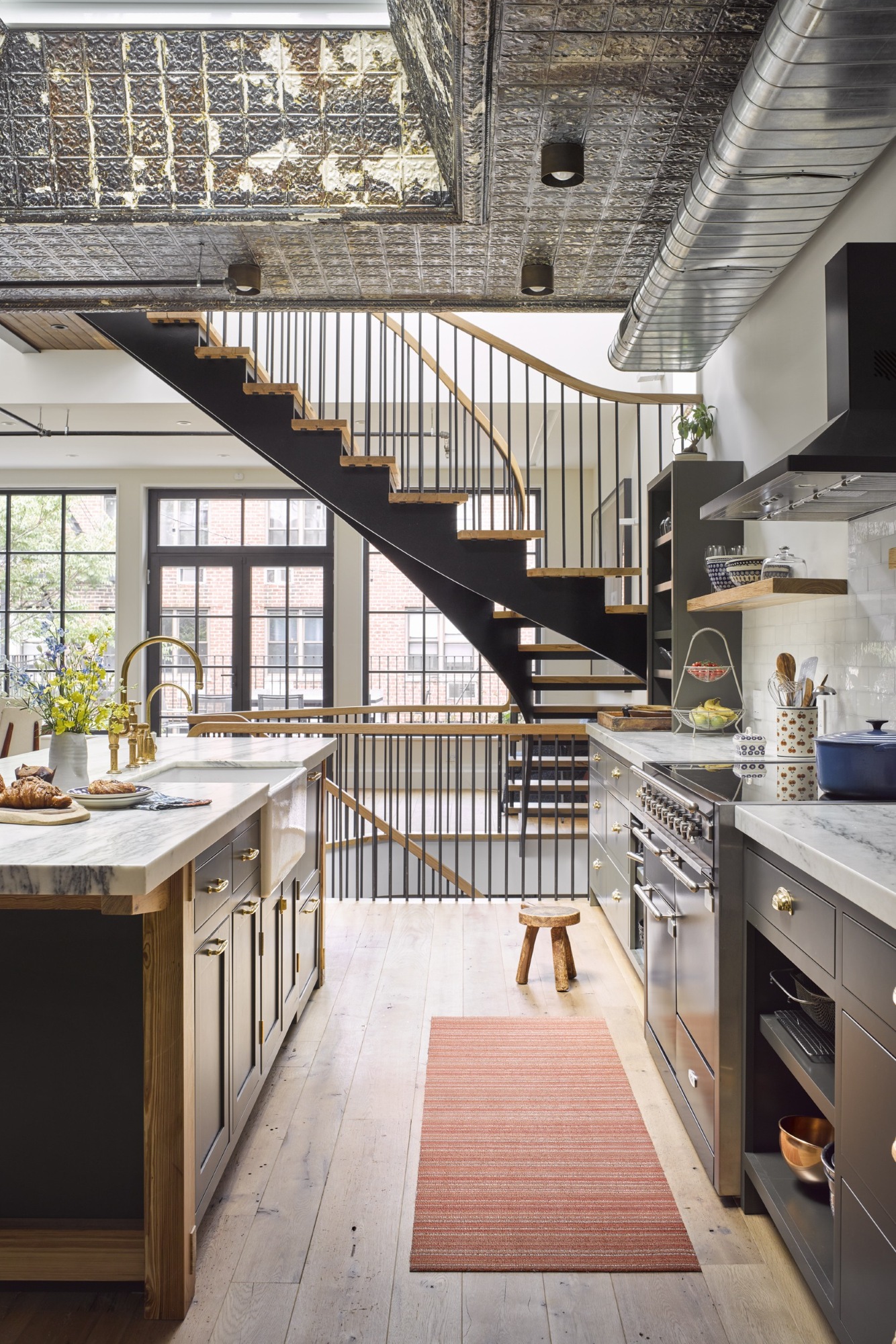
The key to design freedom in Passive House buildings is the envelope. A well-insulated, airtight, vapor-open building envelope and triple-paned glazing create a building that can maintain its internal temperature for longer than other buildings. In turn, a Passive House's thermal stability allows for much smaller, all-electric mechanical systems. Without having to incorporate radiators, large runs of ductwork, and other complex mechanicals, designers can truly craft the homes of their clients' dreams, that are as comfortable and quiet as they are beautiful.
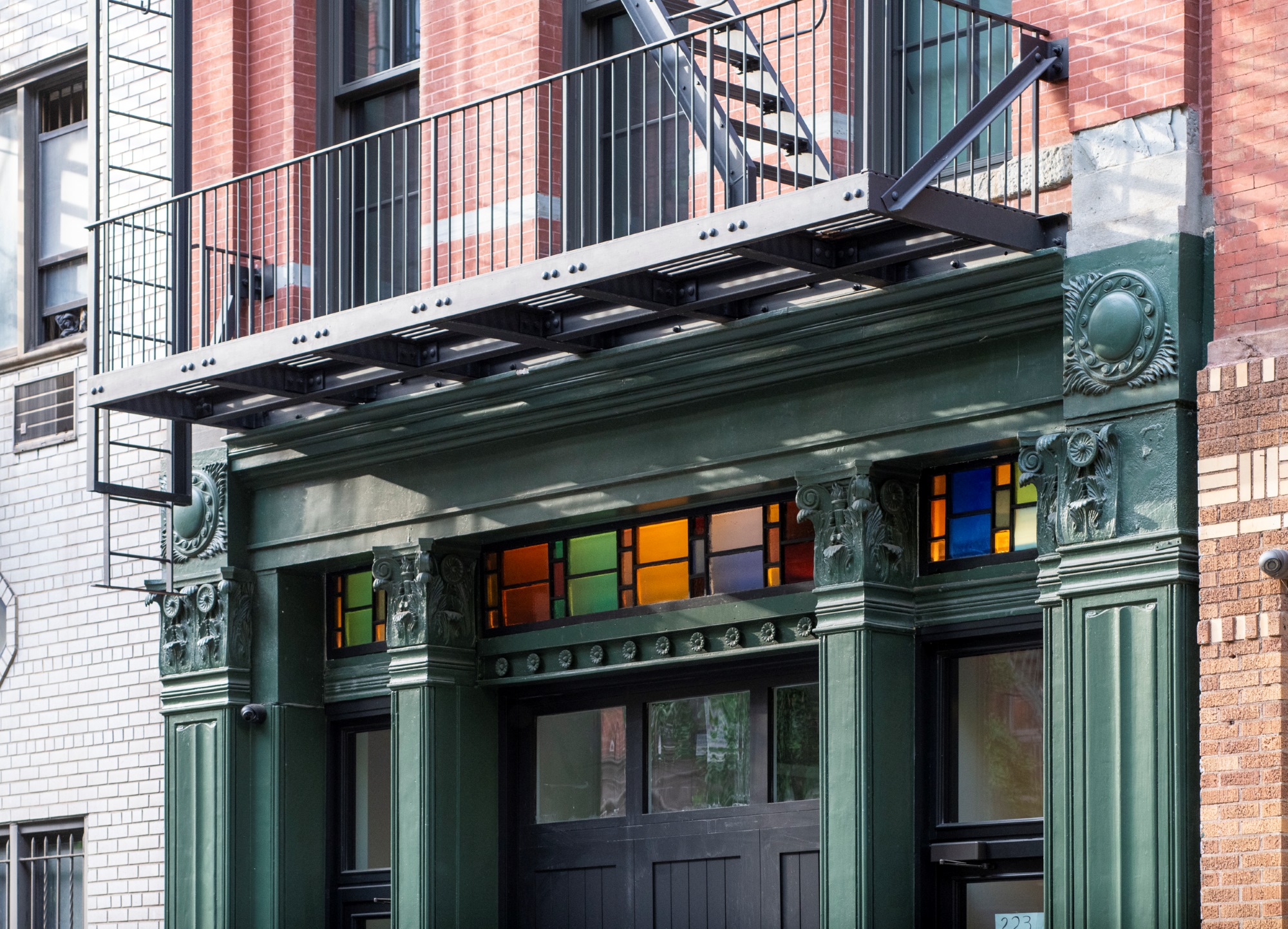
Michael Ingui will be sharing Ingui Architecture's approach to Passive House and the NYSERDA Buildings of Excellence award winning project Engine 16 at the 28th International Passive House Conference in Essen, Germany this week.
Globally, the construction and operation of the built environment is responsible for 40% of energy-related carbon emissions. As we work to reduce this impact on a global level, it is important to also recognize the positive impact that better buildings have on the people who occupy them.